A Homeowner’s Guide to Exterior Siding Materials: Cost, Durability, and Design Options
Choosing the right exterior siding material plays a major role in how your home looks, how well it holds up to the elements, and how much you’ll spend both now and over time. With so many home exterior materials available, homeowners often ask the same questions: Which siding lasts the longest? Which is the most cost-effective? And which options create a unique look without blowing the budget?
Below is a detailed breakdown of the most common siding types, including realistic price ranges, maintenance expectations, and design considerations. Pricing reflects national averages per square foot (installed) and can vary by region, labor costs, and material quality.
Vinyl Siding
Cost, Durability, and Maintenance Expectations
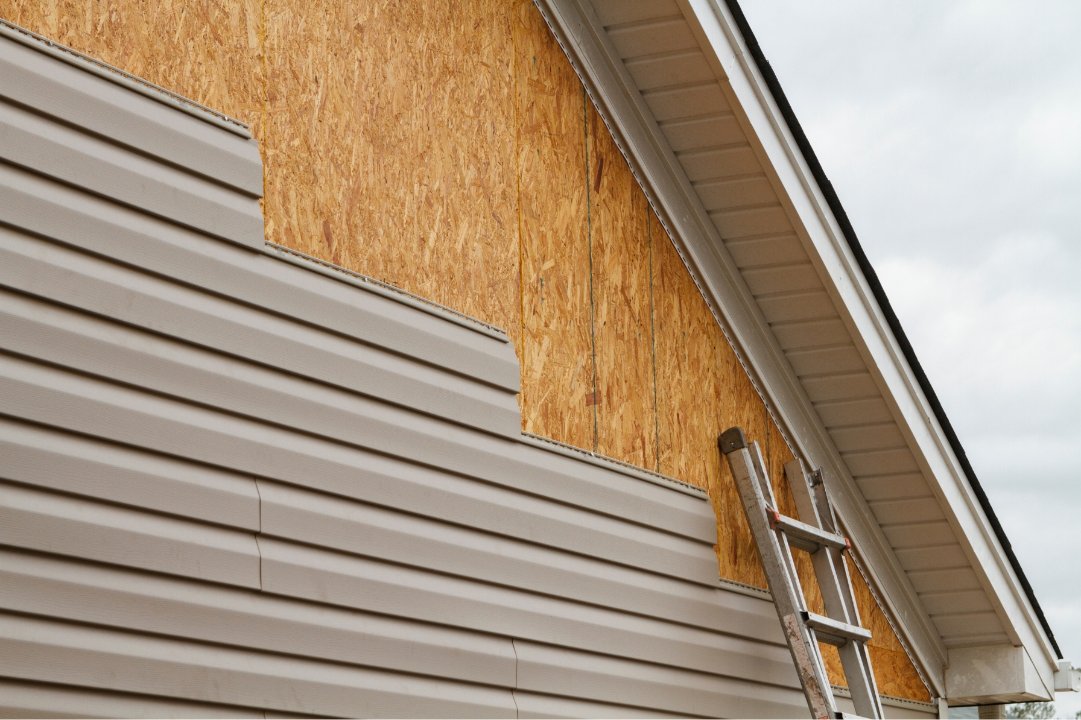
Vinyl remains one of the most searched exterior siding materials because of its affordability and low maintenance. For homeowners researching budget-friendly exterior materials, vinyl is often the starting point.
Average cost:
- $4 – $8 per square foot installed
Compared to fiber cement siding, vinyl has a lower upfront cost and requires less ongoing upkeep. It resists moisture, pests, and rot, and never needs painting.
Things to know:
While vinyl performs well for the price, it may not deliver the same high-end appearance or fire resistance as fiber cement or brick. Lower-quality vinyl can also fade or crack in extreme temperatures.
Best for: First-time homeowners, rental properties, and anyone prioritizing affordability and ease of upkeep.
Fiber Cement Siding
Cost, Lifespan, and Design Flexibility
Fiber cement siding is often chosen by homeowners looking for long-lasting siding materials that still feel polished and upscale. It’s frequently compared to vinyl and wood when searching for the best siding for homes.
Average cost:
- $8 – $14 per square foot installed
Unlike vinyl siding, fiber cement is fire-resistant and performs better in extreme weather. Compared to wood siding, it resists insects, moisture, and rot while still offering wood-like textures and finishes.
Things to know:
The material is heavier, which can increase labor costs, and repainting is typically needed every 10–15 years.
Best for: Homeowners wanting durability and appearance without the premium cost of brick or stone.
Wood Siding
Appearance, Maintenance, and Long-Term Costs
Wood siding continues to appeal to homeowners who value authenticity and architectural character. It’s commonly searched under traditional home exterior materials and unique house siding ideas.
Average cost:
- $8 – $15 per square foot installed (Premium woods like cedar or redwood may cost more)
Compared to composite or fiber cement siding, wood offers unmatched warmth and character but requires significantly more maintenance.
Things to know:
Wood requires regular sealing, staining, or painting and is more vulnerable to moisture and insects if maintenance is delayed.
Best for: Historic homes, cottages, or homeowners willing to invest in upkeep for a distinctive look.
Brick & Brick Veneer
Durability and Value Over Time
Brick is one of the most durable house exterior materials, often associated with longevity and strong resale value. Brick veneer offers the same look at a more accessible price point.
Average cost:
- Brick veneer: $10 – $20 per square foot installed
- Full brick: $18 – $30+ per square foot installed
One key difference between brick veneer and full brick is structural depth, but both outperform siding options like vinyl or wood when it comes to lifespan and fire resistance.
Things to know:
Brick requires a higher upfront investment and offers limited flexibility for future exterior changes.
Best for: Homeowners focused on durability, classic design, and long-term value.
Stucco Siding
Climate Considerations and Cost
Stucco siding is commonly associated with modern home exterior materials and is especially popular in warm or dry climates.
Average cost:
- $7 – $12 per square foot installed
Compared to brick or fiber cement, stucco provides a seamless appearance and strong insulation value. However, it performs best in drier environments and requires proper drainage to avoid cracking.
Things to know:
High humidity or poor installation can lead to moisture issues.
Best for: Homes with architectural styles that emphasize clean lines and cohesive finishes.
Metal Siding
Modern Appeal and Performance
Metal siding—typically aluminum or steel—is gaining popularity among homeowners searching for modern house exterior design materials or low-maintenance siding options.
Average cost:
- $9 – $16 per square foot installed
Unlike wood siding, metal is fire-resistant, pest-proof, and far lower maintenance. Compared to vinyl, it offers greater durability and a more contemporary appearance.
Things to know:
Metal can dent from impact and may feel too industrial for traditional homes unless paired with other materials.
Best for: Contemporary homes or homeowners wanting a bold, modern aesthetic.
Engineered & Composite Siding
Balanced Performance Compared to Natural Wood
Engineered and composite siding blends wood fibers with resins or polymers, offering improved durability over natural wood.
Average cost:
- $7 – $12 per square foot installed
Unlike traditional wood siding, composite products resist moisture and insects and require less ongoing maintenance. Compared to vinyl, they provide a more substantial, wood-like appearance.
Things to know:
Quality varies by manufacturer, making product selection and professional installation essential.
Best for: Homeowners wanting wood aesthetics with fewer maintenance demands.
Creating a Unique Look with Mixed Materials
Combining multiple exterior cladding materials is one of the easiest ways to create a custom look without significantly increasing costs. Popular combinations include fiber cement with brick accents, wood paired with metal, or board-and-batten alongside stone veneer.
Compared to using premium materials across the entire home, focusing upgrades on entryways or gables helps control overall exterior materials cost while still achieving a high-end appearance.
How to Choose the Right Siding for Your Home
When comparing siding materials for homes, consider:
- Climate and weather exposure
- Maintenance expectations
- Upfront vs long-term costs
- Architectural style
- Energy efficiency
Planning for both installation and future upkeep is important. Many homeowners find it helpful to align exterior upgrades with broader financial planning, like the approach outlined in Bluefield Realty Group's guide on how to create a budget you’ll actually stick to.
Quick Takeaways: Choosing the Right Home Siding
- Vinyl siding is the most cost-effective and lowest-maintenance option
- Fiber cement balances durability, appearance, and long-term value
- Brick offers the longest lifespan with minimal upkeep
- Wood siding delivers unmatched character but requires ongoing care
- Mixing siding materials can create a high-end look without high costs
Frequently Asked Questions About Home Siding Materials
What is the most durable siding for a house?
Brick and fiber cement are among the most durable exterior siding materials. Brick can last over 50 years with minimal maintenance, while fiber cement typically lasts 30–50 years when properly installed.
What siding requires the least maintenance?
Vinyl, brick, and metal siding require the least maintenance. These materials resist moisture, insects, and rot and do not require regular painting or sealing.
What is the most cost-effective exterior siding?
Vinyl siding is generally the most cost-effective option when considering upfront cost and maintenance.
How long does house siding typically last?
Vinyl lasts 20–30 years, fiber cement 30–50 years, wood 20–40 years with maintenance, and brick often exceeds 50 years.
Does siding choice affect home value?
Yes. Durable, visually appealing siding materials—such as fiber cement, brick veneer, and mixed-material exteriors—can improve curb appeal and positively influence resale value.
Final Thoughts
From cost-effective vinyl siding to long-lasting brick and fiber cement, today’s homeowners have a wide range of exterior siding options. Understanding price ranges, durability, and maintenance needs allows you to make a confident, informed decision that protects your home and enhances curb appeal for years to come.