Choosing the Right Roof: A Homeowner’s Guide to Materials, Prices, Insurance Rules, and Hidden Facts
When most people think about their roof, they think of shingles or maybe metal — and that’s about it. But the roof over your head affects far more than curb appeal. It determines energy efficiency, insurance rates, storm protection, your home’s resale value, and how much maintenance you’ll face down the road. Whether you're building a new home or replacing an aging roof, understanding the differences between roofing materials is one of the most important decisions you’ll make as a homeowner.
Below, we walk through the most common roof types used on single-family homes in the United States, where each one is most commonly found, how much they cost, how insurance companies view them, and the misconceptions that surprise most homeowners.
Asphalt Shingle Roofs
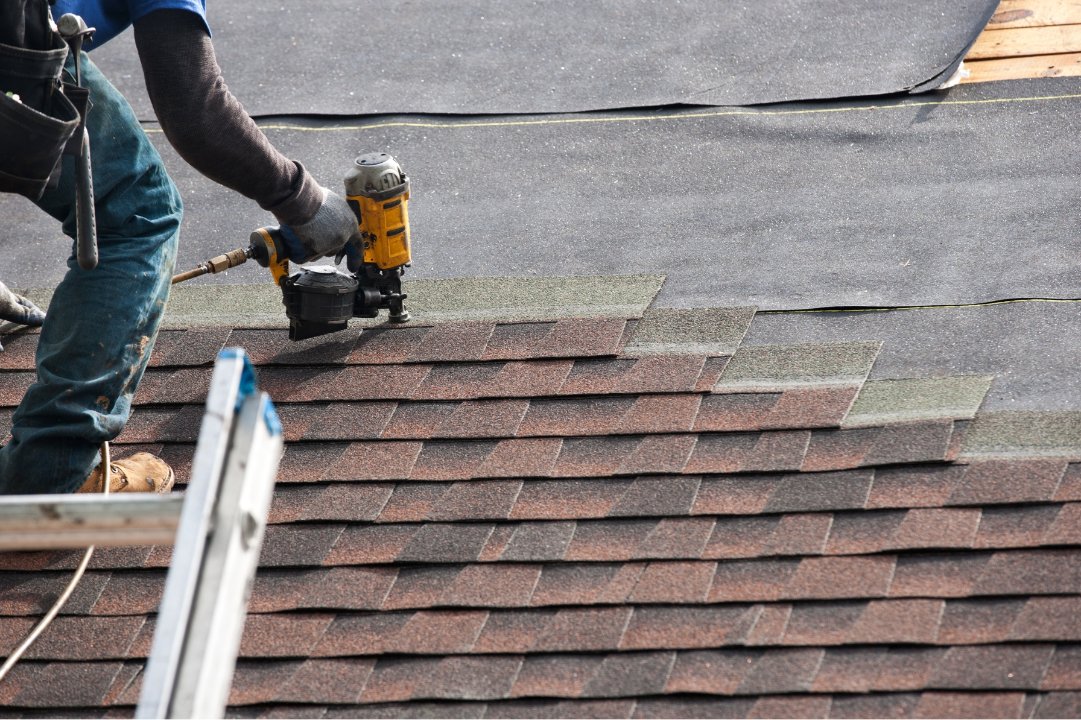
Asphalt shingles are by far the most common roof type in America, especially in the Southeast, Midwest, and much of the East Coast. Builders prefer them because they’re reliable, cost-effective, and easy to install. Homeowners like them because they come in a wide variety of colors and styles while staying budget-friendly.
A typical shingle roof costs between $5,000 and $12,000, depending on home size and shingle type. Architectural shingles, which are thicker and more durable, come at a slightly higher cost but can last almost twice as long as the old 3-tab shingles used in the past.
Insurance companies generally look favorably on architectural shingles because they offer better wind resistance and stand up to storms more effectively. In hail-heavy regions, some insurers even offer discounts if homeowners upgrade to impact-resistant (Class 4) shingles. One thing many homeowners don’t realize is that shingle warranties often depend heavily on attic ventilation and proper installation. A poorly ventilated roof can void a warranty long before the shingles actually fail.
Another misconception is that shingles are all the same quality. They vary significantly based on brand, rating, and climate suitability. Dark shingles can also raise cooling costs in hot regions — something first-time homeowners almost never consider.
Metal Roofing
Metal roofing has grown massively in popularity over the last decade. Once seen mostly on barns or industrial buildings, metal roofs are now common on modern homes, coastal properties, and mountain houses where durability is critical. Standing seam metal roofs — the sleek, vertical-panel style — have become a favorite for homeowners who want both longevity and a contemporary look.
Metal roofs typically cost between $12,000 and $30,000, depending on the type of metal and the complexity of the home. While the upfront cost is higher than shingles, many metal roofs last 40 to 70 years, which means most homeowners will never have to replace them again.
Insurance companies often love metal roofing because it’s one of the most fire-resistant, wind-proof, and hail-resistant materials available. This is especially true in wildfire-prone states or regions hit frequently by severe weather. That said, because metal is more expensive to replace, some insurers slightly increase premiums to account for higher replacement values.
Metal roofs come with a few persistent myths. Many homeowners assume they’re loud when it rains, but modern metal roofing is installed over decking and insulation, making it no louder than shingles. Another misconception is that metal roofs attract lightning. They don’t — but if lightning did strike, a metal roof is actually safer because it’s non-combustible and disperses electricity more efficiently.
Tile Roofing (Clay or Concrete)
Clay and concrete tile roofs are staples in the Southwest, Florida, and coastal areas, where the climate is hot, sunny, and humid. They pair perfectly with Mediterranean, Spanish, and coastal-style homes and are known for their longevity and energy efficiency.
Tile roofs usually cost between $20,000 and $40,000 or more, depending on the home's size and tile type. They’re extremely durable and naturally fire-resistant, which leads insurance companies to view them positively. However, one detail surprises many homeowners: while tiles can last decades, the underlayment beneath them often needs replacement every 20 to 30 years. This is frequently overlooked, especially by buyers purchasing older homes.
Tile roofs also require a structurally strong home because they are significantly heavier than shingles or metal. A common misconception is that tile roofs are “maintenance-free.” In reality, tiles can crack from falling limbs, foot traffic, or stray baseballs, and those repairs can be costly.
Slate Roofing
Natural slate is one of the most beautiful and long-lasting roof materials available and is commonly found on historic homes in the Northeast and Mid-Atlantic. It’s also one of the most expensive options, often costing $25,000 to $60,000+. Synthetic slate — a lighter and more budget-friendly alternative — runs closer to the cost of high-end metal or tile.
Insurance companies generally appreciate slate for its durability and fire resistance, but its extremely high replacement cost can raise premiums. In fact, some insurers require roofs to be evaluated by a certified slate installer before issuing or renewing a policy.
Many people assume slate is indestructible, but natural slate can still crack from hail or improper walking. Another surprise: many homes are not structurally built to handle the weight of real slate, making installation impossible without reinforcement.
Wood Shake Roofing
Wood shake roofs are most common in the Pacific Northwest, mountain regions, and rustic-style homes. They offer a beautiful, natural look, but they come with challenges. The cost typically ranges from $10,000 to $25,000, depending on the grade of the wood.
Insurance companies are often cautious — or even unwilling — to insure homes with untreated wood roofs because of fire risks. In some wildfire-prone states, wood shake roofing is almost uninsurable unless homeowners choose fire-rated or pressure-treated products. And while treated wood offers better protection, it is still not fireproof.
Many homeowners also underestimate the maintenance required. Wood roofs need regular cleaning, moss removal, and periodic treatment to prevent rot and insects. Without this upkeep, their lifespan shortens dramatically.
Flat Roofs on Single-Family Homes
Flat roofs are more common in commercial buildings, but they appear frequently in mid-century modern and contemporary home designs. These roofs typically use materials like TPO, EPDM (rubber), or PVC and cost around $8 to $15 per square foot.
Insurance companies take a cautious approach to flat roofs because they’re more prone to leaks and ponding water. Homes with flat roofs often require documented inspections, proof of maintenance, and higher standards before insurers agree to coverage.
A common misconception is that flat roofs are simple or low-maintenance. In reality, they require regular inspections to ensure drainage pathways remain clear. And despite the name, they aren’t truly flat — they’re built with a subtle slope to guide water toward drains or gutters.
Composite and Synthetic Roofing
Composite roofs mimic the look of slate, shake, or tile but weigh far less and often cost less, too. A composite roof usually runs between $10,000 and $25,000, depending on the brand. They’re popular in newer communities and among homeowners who want the look of premium roofing without the structural challenges.
Insurance companies often respond positively to composite materials because they offer excellent fire resistance and impact ratings. However, because composites vary widely by manufacturer, some insurers evaluate them on a case-by-case basis.
A misconception with composite roofs is that they’re always cheaper or lower quality. High-end synthetic products can be just as expensive as natural materials — sometimes even more — but they often provide better performance in harsh climates.
What Homeowners Rarely Know About Roofs
Across all roof types, a few truths hold steady. First, insurance rates are influenced not just by how strong or safe a roof is but by how expensive it is to replace. That’s why some durable roofs, like slate or tile, can actually raise premiums.
Second, the age of the roof matters more than the material. Many insurers refuse coverage on roofs above a certain age — often 20 years for shingles and 30 years for tile underlayment. Even metal roofs may face insurance scrutiny once they reach 40 years old.
Third, homeowners rarely realize how much building codes change. Replacing a roof may require new decking, upgraded ventilation, or added waterproofing layers — costs that can surprise anyone budgeting only for materials.
Lastly, a roof’s color and material significantly affect energy bills. Light-colored roofs reflect heat, while darker roofs absorb it, a major factor in southern climates where cooling costs are high.