How Architectural Review Boards (ARBs) Work in HOAs: What Homeowners and Buyers Need to Know
If you live in—or are considering buying into—a homeowners association (HOA), you’ll eventually run into something called an Architectural Review Board (ARB). Whether you want to repaint your home, install a fence, add a patio, or replace your roof, the ARB plays a critical role in what changes are allowed.
Many homeowners know ARBs exist to “keep things uniform,” but far fewer understand how architectural review boards actually work, what authority they have, and how easy it is to make costly mistakes if you don’t follow the process correctly.
This guide breaks down the ARB approval process, common rules, lesser-known pitfalls, and what buyers should look for before purchasing in an HOA community.
What Is an Architectural Review Board (ARB) in an HOA?
An Architectural Review Board, sometimes called an Architectural Control Committee (ACC), is a committee appointed by the HOA board to review and approve exterior property changes.
The purpose of an HOA ARB is to:
- Maintain consistent community aesthetics
- Protect property values
- Enforce architectural guidelines and covenants
- Prevent changes that negatively impact neighboring homes
ARB authority comes directly from the HOA’s governing documents, including the CC&Rs (Covenants, Conditions, and Restrictions) and architectural standards.
What Types of Changes Require ARB Approval?
One of the biggest surprises for homeowners is how many changes require approval. In most HOA communities, ARB approval is required for:
- Exterior paint colors
- Roofing materials or replacements
- Fences, gates, and walls
- Decks, patios, porches, and pergolas
- Sheds and outbuildings
- Window and door replacements
- Solar panels
- Landscaping and tree removal
- Driveway extensions or hardscaping
- Satellite dishes and exterior fixtures
Even “like-for-like” replacements may require approval if materials, colors, or dimensions change—even slightly.
How the HOA Architectural Review Process Works
While each HOA has its own procedures, most ARB processes follow these steps:
1. Submitting an Architectural Request
Homeowners must submit an architectural review application, which typically includes:
- A written description of the project
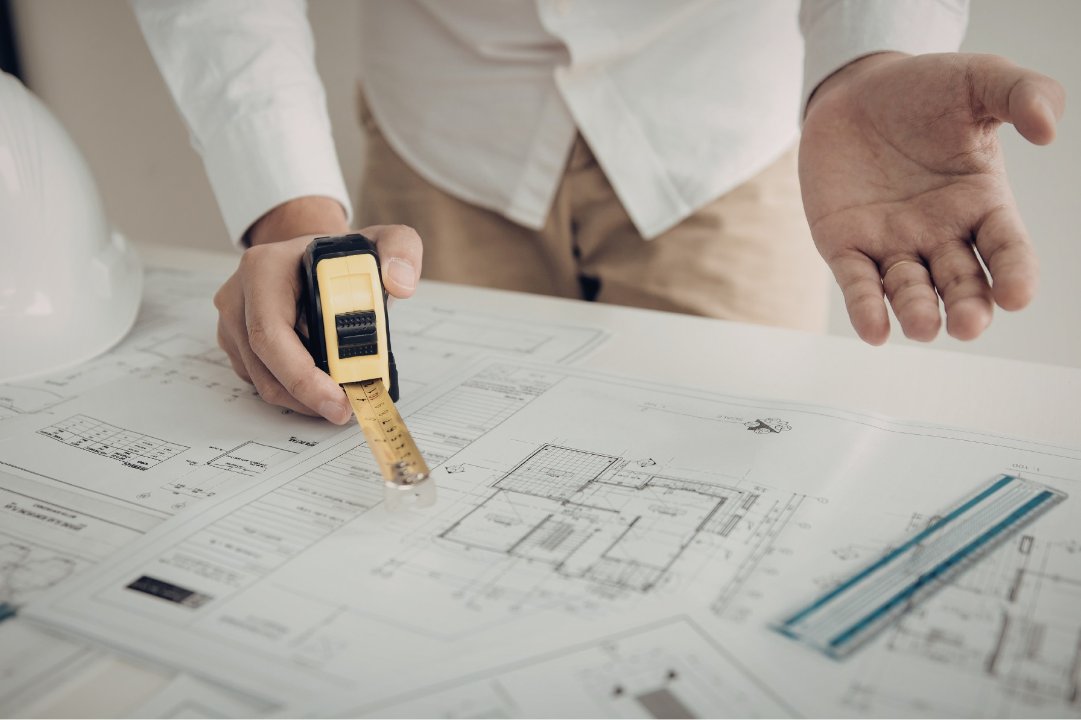
- Drawings or sketches
- Material samples or color swatches
- Contractor details
- Estimated project timeline
Incomplete submissions are one of the top reasons for delays or denials.
2. ARB Review Timeline
Most HOA documents require the ARB to respond within 30 to 45 days. During this time, the board evaluates whether the request complies with existing architectural guidelines.
Important detail many homeowners miss:
Some HOA documents state that if the ARB fails to respond within the deadline, the request may be automatically approved. This varies by HOA and state law, so documentation matters.
3. Decision: Approval, Conditional Approval, or Denial
The ARB may:
- Approve the request as submitted
- Approve it with conditions (modified materials or colors)
- Deny the request with written reasoning
Always keep written approval for your records.
What Architectural Review Boards Can and Cannot Do
What ARBs Can Do
- Enforce architectural standards written in HOA documents
- Require visual consistency across the community
- Deny requests that materially conflict with guidelines
- Request revisions or additional documentation
What ARBs Cannot Do
- Enforce unwritten or “made-up” rules
- Apply standards inconsistently between homeowners
- Base decisions on personal preference
- Retroactively revoke approvals
- Selectively enforce rules
If an ARB exceeds its authority, homeowners may have grounds for appeal.
Common (and Costly) ARB Mistakes Homeowners Make
Even experienced homeowners run into issues with architectural review boards. Common mistakes include:
- Starting work before approval
- Assuming replacements don’t need approval
- Ignoring approval expiration dates
- Using unapproved contractors or materials
- Failing to keep written documentation
In many HOAs, unauthorized work can lead to fines, stop-work orders, legal action, or be required to remove unapproved improvements at their own expense.
How ARBs Evaluate Requests Beyond Aesthetics
ARB decisions aren’t based on appearance alone. Boards also consider:
- Visibility from streets or neighboring properties
- Drainage, easements, and shared utilities
- Safety and access concerns
- Noise or construction disruption
- Long-term maintenance impact
For example, a fence may be denied due to drainage interference—even if it meets height and color requirements.
Buyer-Focused HOA Architectural Review Checklist
If you’re buying a home in an HOA, architectural review rules should be part of your due diligence.
Before You Buy, Make Sure You:
- Read the HOA’s architectural guidelines in full
- Understand common ARB restrictions
- Ask how long approvals typically take
- Confirm prior exterior modifications were approved
- Check for unresolved architectural violations
- Review rules for future plans (fences, additions, landscaping)
Unapproved changes made by a previous owner can become your responsibility after closing.
If you’re navigating an HOA purchase, Bluefield Realty Group’s homeownership resources can help you understand how HOA rules, approvals, and insurance requirements impact the buying process—before surprises arise.
Frequently Asked Questions about Architectural Review Boards in HOAs:
An architectural review board (ARB) is a committee that reviews and approves exterior changes to homes in an HOA to ensure compliance with architectural guidelines and community standards.
Do I need HOA approval to paint my house?
In most HOA communities, yes. Exterior paint colors typically require ARB approval—even if you’re repainting the same color.
How long does the HOA ARB approval process take?
Most HOAs require ARB decisions within 30 to 45 days, though timelines vary by association and governing documents.
Can an HOA deny my architectural request?
Yes, if the request does not comply with written architectural guidelines. However, denials must be consistent, documented, and within the ARB’s authority.
What happens if I don’t get ARB approval?
Homeowners may face fines, stop-work orders, legal action, or be required to remove unapproved improvements at their own expense.
Can I appeal an ARB decision?
Most HOAs allow appeals to the HOA board. Successful appeals typically reference governing documents and comparable approved projects.
Final Thoughts: Working With Your HOA ARB
Architectural Review Boards exist to protect communities—not to create unnecessary obstacles. Homeowners who understand the approval process, follow architectural guidelines, and submit complete applications usually avoid problems.
Whether you’re improving your home or buying into an HOA for the first time, knowing how ARBs work helps you avoid delays, fines, and frustration—and keeps your investment protected long-term.