How Long Does It Actually Take to Build a House? A Practical Timeline for First-Time Homebuilders
Building your dream home is an exciting journey, but one of the most common questions homeowners ask is: How long does it actually take to build a house? The process of constructing a home can seem daunting, especially for first-time builders. Understanding the timeline of each phase, from pre-construction planning to the final walk-through, will help you navigate the journey with confidence.
In this comprehensive guide, we’ll break down the construction process and give you a practical, easy-to-understand timeline, along with tips on things you might not expect during the build. By the end of this post, you’ll be well-equipped to understand the steps involved and how long each phase typically takes.
Step 1: Pre-Construction Planning – 1 to 3 Months
Before your home’s foundation is even poured, there’s a lot of planning to be done. The pre-construction phase sets the stage for everything that comes after.
What’s Included in Pre-Construction?
- Design and Permits: The design phase usually takes 4-8 weeks. You’ll collaborate with architects to finalize floor plans and designs. Afterward, you’ll submit for permits, which can take 2-4 weeks to be approved, depending on local regulations.
- Land Preparation: Preparing your land involves clearing trees, leveling the site, and installing temporary utilities. This process can vary in length based on the site’s condition.
- Finalizing Contracts: During this phase, you’ll hire your builder, finalize construction contracts, and establish a schedule.
Things You Might Not Expect
- Delays in Permit Approval: Permit approvals can be delayed due to local government workloads or zoning restrictions.
- Design Revisions: Any last-minute design changes may extend the timeline, so be sure to finalize details early.
Step 2: Laying the Foundation – 2 to 4 Weeks
Once you have the green light, the foundation will be poured. This step is crucial as it sets the stage for the rest of the construction process.
What’s Involved in Laying the Foundation?
- Excavation and Concrete Pouring: For slab foundations, the site will be excavated, and the concrete slab will be poured. For other types of foundations, additional steps such as building a crawl space or basement may be needed.
- Curing Time: Concrete needs time to cure before any construction can proceed. Typically, curing takes about a week, though it may be longer for basements.
Things You Might Not Expect
- Weather Delays: Heavy rain or freezing temperatures can delay foundation work.
- Inspection Delays: Building inspectors will need to approve the foundation, which can sometimes take longer than expected.
Step 3: Framing – 1 to 2 Months
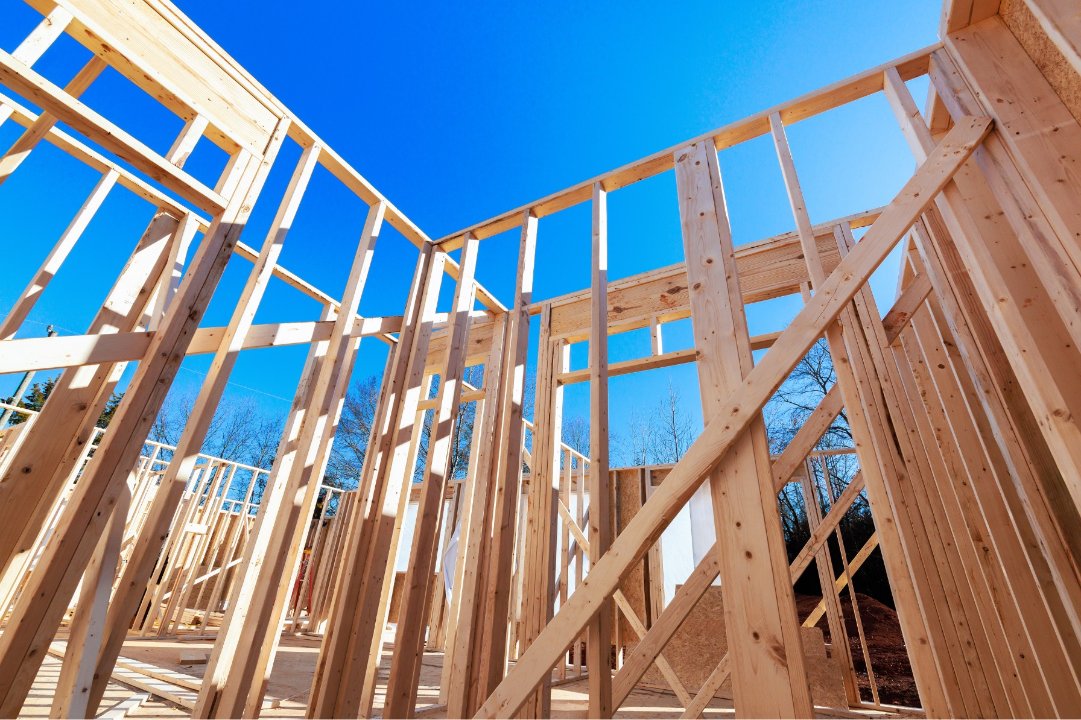
Framing is when your home starts to take shape, with the construction of walls, floors, and the roof structure.
What’s Involved in Framing?
- Wall Construction: Your builder will start by constructing the exterior and interior walls.
- Roof and Floor Structure: After the walls are up, the roof trusses and floors are installed.
- Window and Door Openings: Framing includes creating spaces for doors and windows.
Things You Might Not Expect
- Material Shortages: Shortages of lumber or other materials can cause delays.
- Inspection Delays: Framing inspections must be completed before moving on to the next step.
Step 4: Installing Plumbing, Electrical, and HVAC – 1 to 2 Months
Once the home’s structure is in place, plumbing, electrical wiring, and HVAC systems are installed. This is a critical phase of the build, and it typically takes 1-2 months to complete.
What’s Involved in This Step?
- Plumbing: Pipes for water supply, sewage, and gas are installed.
- Electrical: Electricians will wire the home for outlets, lighting, and the electrical panel.
- HVAC: The system for heating and cooling, including ductwork and vents, is installed.
Things You Might Not Expect
- Coordination Delays: If one contractor (e.g., plumber or electrician) is delayed, it can affect others who need to follow.
- Permitting Issues: Even after permits are secured, some municipalities require additional inspections before systems can be covered up.
Step 5: Insulation and Drywall – 1 to 2 Months
Once the essential systems are in place, insulation and drywall installation begin. This process usually takes 1-2 months.
What’s Involved in Insulation and Drywall?
- Insulation: Proper insulation is critical for energy efficiency. It’s installed in the walls, ceilings, and sometimes under the floors.
- Drywall: Drywall sheets are hung on the studs, then taped, mudded, and sanded.
Things You Might Not Expect
- Drywall Drying Time: The drywall needs time to dry and be sanded before painting, which can be delayed by high humidity.
- Hidden Costs: You may discover unexpected costs if you choose upgraded insulation or need additional drywall work.
Step 6: Interior Finishes – 2 to 3 Months
This is the stage where your home truly begins to feel like a place you can call home. Interior finishes, such as flooring, cabinetry, and painting, are completed.
What’s Included in Interior Finishes?
- Flooring: This includes the installation of hardwood, carpet, or tile.
- Cabinetry: Kitchen, bathroom, and storage cabinets are installed.
- Painting: Walls and trim are painted.
Things You Might Not Expect
- Detailing Delays: The fine details like trim work, custom cabinets, and final touches can take longer than expected.
- Material Delays: If you’ve chosen custom materials, delays from suppliers can impact the schedule.
Step 7: Exterior Finishes – 1 to 2 Months
The exterior of your home will be completed during this phase, including siding, roofing, and landscaping. It typically takes 1-2 months to finish.
What’s Included in Exterior Finishes?
- Siding: Depending on your choice, siding materials such as vinyl, brick, or wood are installed.
- Landscaping: The exterior is landscaped, and sod, plants, and trees are planted.
Things You Might Not Expect
- Weather Delays: Exterior work can be delayed due to unfavorable weather conditions.
- Final Touches: Any remaining touches, like painting the trim or installing lights, will be completed.
Step 8: Final Inspections and Handover – 1 Month
The final step involves inspections and the handover of the keys to your new home.
What’s Involved in Final Inspections?
- Walkthrough: You’ll do a final walkthrough with the builder to check for any issues.
- Final Touches: Any final touch-ups or adjustments are made before handover.
Things You Might Not Expect
- Minor Fixes: Even after the final inspection, small issues may arise that need fixing.
- Delayed Sign-Off: Final inspections can sometimes take longer than expected, especially if your builder is juggling multiple projects.
Home Construction Timeline
| Phase | Timeline | Key Tasks | Unexpected Delays |
|---|---|---|---|
| Pre- Construction | 1-3 Months | Design, permits, l and preparation, contracts | Permit delays, design revisions |
| Laying the Foundation | 2-4 Weeks | Excavation, pouring foundation | Weather delays, inspection delays |
| Framing | 1-2 Months | Wall and roof framing, door/window openings | Material shortages, inspection delays |
| Plumbing, Electrical & HVAC | 1-2 Months | Plumbing, electrical wiring, HVAC installation | Coordination delays, permitting issues |
| Insulation & Drywall | 1-2 Months | Insulation, drywall installation | Drying times, hidden costs |
| Interior Finishes | 2-3 Months | Flooring, cabinetry, painting | Delays in custom materials, detailing |
| Exterior Finishes | 1-2 Months | Siding, roofing, landscaping | Weather delays, final touch-ups |
| Final Inspections | 1 Month | Final walkthrough, inspections, handover | Minor fixes, delayed sign-off |
Conclusion: Total Build Time – 7 to 12 Months
Building a home from start to finish typically takes 7 to 12 months. Keep in mind that this timeline can vary based on factors like home size, design complexity, weather, and unforeseen delays. The key to success is thorough planning, open communication with your builder, and a clear understanding of what to expect along the way.
Before you start building, make sure you're prepared with the right insurance coverage. Visit Bluefield Insurance Group to learn about the various home insurance policies available.
Frequently Asked Questions About the Timeline for Building A House
A custom home typically takes between 8 to 12 months, depending on complexity and materials.
What can cause delays in home construction?
Delays can be caused by weather, material shortages, permitting issues, and contractor scheduling conflicts.
Can I make changes during construction?
While it's possible, making changes during construction may delay the project and incur additional costs. It’s best to finalize designs early.
How do I know if my builder is on schedule?
Regular communication with your builder and a detailed timeline will help you track progress. Always ask for updates during major milestones. If you're financing the construction, having a good mortgage provider can help with any schedule or funding concerns. Check out Bluefield Mortgage Group's resources for more details on the home loan process.