
How to Choose the Right Water Filtration System: A Comprehensive Guide
Access to clean and safe drinking water is a fundamental aspect of a healthy lifestyle. With numerous water filtration systems available on the market, choosing the right one for your home can be overwhelming. Whether you’re concerned about the taste of your tap water, its potential contaminants, or simply want to ensure you’re drinking the purest water possible, this guide will help you make an informed decision. In this post, we will break down the most common types of water filtration systems, their features, cost expectations, and their pros and cons, making it easier for you to find the best option for your home.
Why Water Filtration Is Essential
Clean drinking water is essential for health and well-being, but the water that comes out of your tap might contain harmful contaminants such as chlorine, lead, bacteria, and other toxins. Filtration systems help remove these harmful substances, improving taste, odor, and safety. Whether you use city water or well water, the right filtration system will ensure that you and your family are drinking the cleanest, healthiest water possible.
Types of Water Filtration Systems
There are several types of water filtration systems, each designed to address different water quality concerns. Below, we’ll explore the most popular systems, their benefits, costs, and the best use cases for each.
1. Activated Carbon Filters
What They Do: Activated carbon filters are the most widely used water filtration systems. They work by adsorbing contaminants, particularly chlorine, volatile organic compounds (VOCs), and sediment, which improves the taste and smell of water. However, they are not effective at removing heavy metals, bacteria, or dissolved minerals.
Best For: Homes with municipal water sources concerned about taste, chlorine levels, and odor. Activated carbon filters are ideal for people who want to improve the flavor of their tap water without needing to address more serious contaminants.
Cost: These filters are affordable, typically ranging from $30 to $200. Replacement filters need to be changed every 6 to 12 months, depending on usage.
Pros:
- Easy to install (pitchers, faucet-mounted, or under-sink systems)
- Affordable
- Improves taste and odor
Cons:
- Doesn’t remove all contaminants (e.g., lead, heavy metals, bacteria)
- Requires regular filter replacements
2. Reverse Osmosis Systems
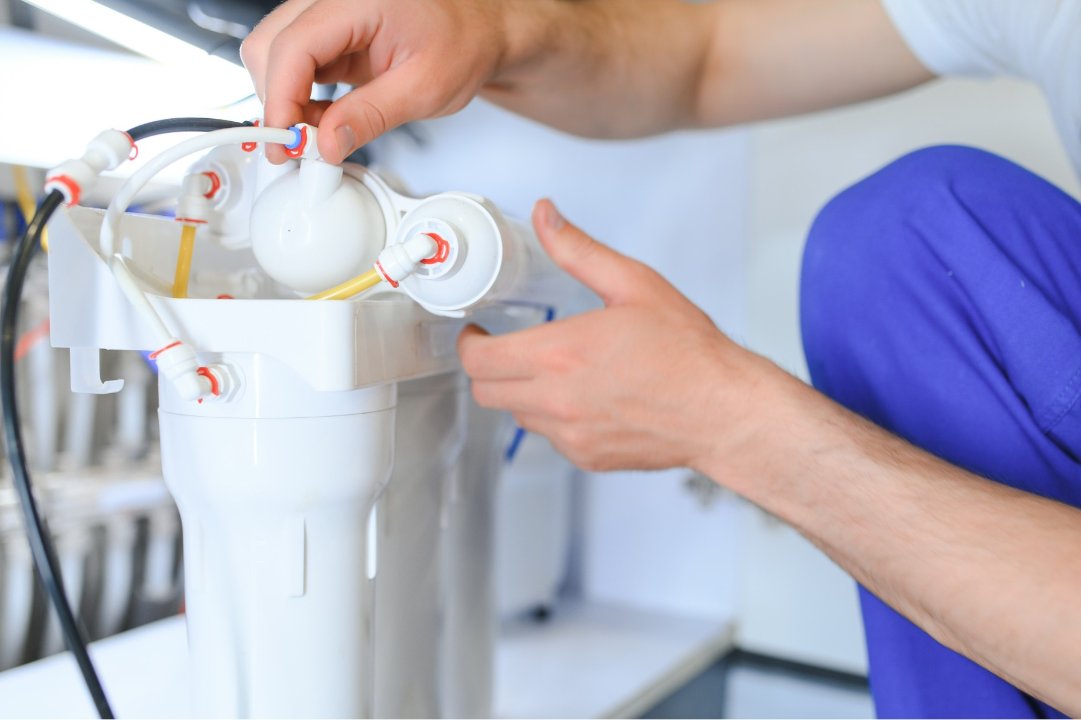
What They Do: Reverse osmosis (RO) filtration uses a semipermeable membrane to remove a broad spectrum of contaminants, including salts, heavy metals, chemicals, and microorganisms. This system is highly effective for providing purified drinking water.
Best For: Homes with well water or areas with high levels of contaminants such as lead, arsenic, fluoride, or nitrates. Reverse osmosis systems are ideal for households that need purified water for drinking and cooking.
Cost: RO systems typically range from $150 to $600 for under-sink units, with whole-house systems running between $1,000 and $3,000. These systems require regular maintenance, including changing the filter and membrane every 1 to 2 years.
Pros:
- Removes a wide range of contaminants
- Ideal for households with high levels of dissolved solids
- Effective for improving water purity
Cons:
- Slower filtration process
- Wastes water (3-4 gallons of waste per gallon of filtered water)
- Expensive installation and maintenance
3. Whole-House Water Filtration Systems
What They Do: A whole-house filtration system filters all water entering your home, providing clean water for drinking, bathing, and other household uses. These systems typically combine multiple filtration methods, including activated carbon, sediment filters, and sometimes UV treatment.
Best For: Larger households or homes that need comprehensive water purification for every faucet in the house. These systems are great for homes with concerns about general water quality across all appliances, including showers, sinks, and washing machines.
Cost: The cost for whole-house systems ranges from $500 to $4,000, depending on the system’s size and filtration capabilities. Professional installation costs can add $500 to $2,000, depending on the complexity.
Pros:
- Filters water for the entire home
- Addresses a wide range of contaminants
- Convenient for large households
Cons:
- Requires professional installation
- Higher upfront cost
- Regular maintenance is needed
4. UV (Ultraviolet) Purifiers
What They Do: UV purifiers use ultraviolet light to kill bacteria, viruses, and other pathogens in water. UV systems are often used alongside other filtration methods, as they don’t remove chemicals or heavy metals but are highly effective at disinfecting water.
Best For: Homes with well water or areas with concerns about microbial contamination, such as bacteria or viruses. UV purifiers are often installed in conjunction with other filters, such as activated carbon or reverse osmosis systems.
Cost: UV systems typically cost between $100 and $500 for small units, with whole-house systems ranging from $1,000 and up. UV lamps need to be replaced every 12 to 18 months.
Pros:
- Highly effective at killing bacteria and viruses
- No chemicals involved
- Low maintenance, only requiring bulb replacement
Cons:
- Doesn’t remove chemicals or heavy metals
- Requires electricity to function
- Doesn’t address all water quality issues
5. Pitcher Filters
What They Do: Pitcher filters are small, portable water filters that are typically used to filter drinking water. They use activated carbon to remove chlorine, lead, and other impurities. They’re easy to use and require no installation.
Best For: Small households, renters, or people who want an inexpensive and convenient option for filtering water. Pitcher filters are ideal for improving the taste and smell of drinking water in apartments or small homes.
Cost: Pitcher filters typically cost between $20 and $50, with replacement filters costing $10 to $20. Filters should be replaced every 1 to 3 months.
Pros:
- Low cost and easy to use
- Portable and compact
- Improves taste and odor
Cons:
- Limited water capacity (not suitable for large households)
- Doesn’t remove all contaminants
- Needs frequent filter changes
How to Choose the Right System for Your Home
When deciding on the best water filtration system for your home, consider the following factors:
- Water Source: Determine whether you have city water or well water. Well water may require a more robust system, like reverse osmosis or UV purification, to address contaminants that city water may not have.
- Contaminants in Your Water: Get your water tested to identify the specific contaminants present. Many local utilities provide water quality reports that can help guide your choice.
- Household Size: Consider how much water your household uses. Larger households may benefit from whole-house filtration systems, while smaller households can often get by with pitcher filters or under-sink systems.
- Maintenance Requirements: Some systems, such as reverse osmosis, require more maintenance than others. Choose a system that fits your maintenance preferences and budget.
- Budget: Water filtration systems range from affordable pitcher filters to high-end whole-house systems. Factor in both the initial cost and the long-term maintenance when making your decision.
For additional tips on optimizing your home's efficiency, check out How to Make Your Home More Energy Efficient: Practical Steps You Can Take Now and Smart Upgrades for the Future.
Conclusion
Choosing the right water filtration system depends on your water quality concerns, household size, and budget. From activated carbon filters for improving taste to reverse osmosis systems for purifying well water, there are options available for every need. By understanding the benefits and limitations of each system, you can make an informed decision that ensures your family has access to the cleanest, safest water possible.