
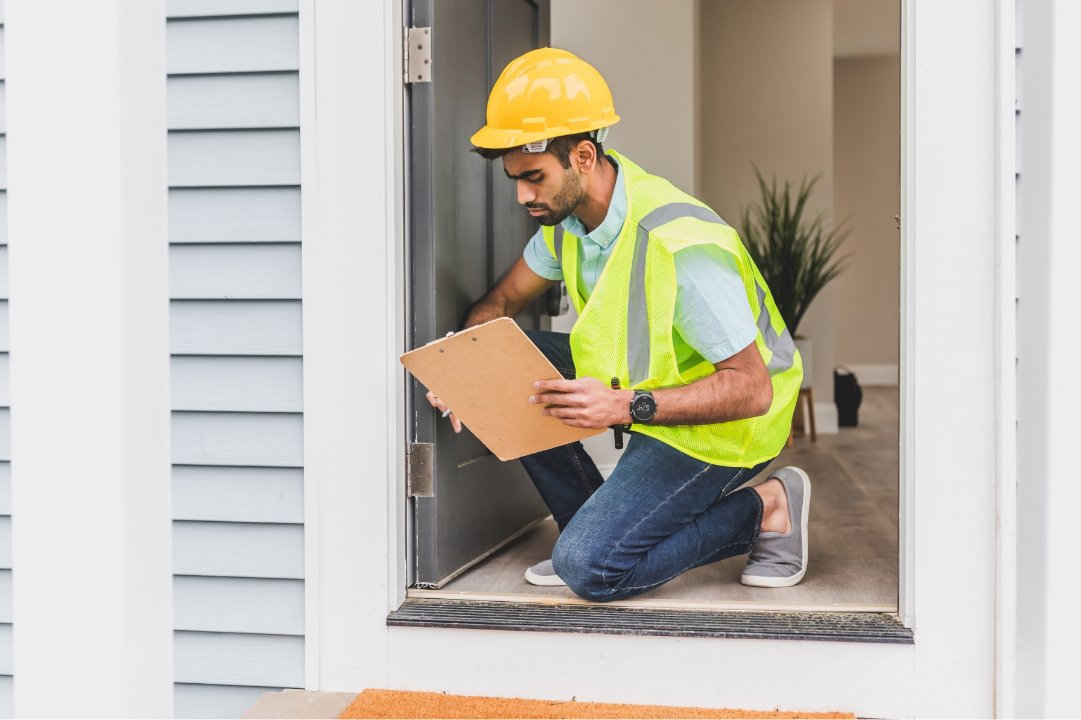
Should You Get a Home Inspected by a Licensed Structural Engineer?
Buying, selling, or owning a home comes with plenty of inspections and opinions. One question that often comes up—especially when something looks off—is whether you should hire a licensed structural engineer to inspect the home. Many homeowners assume this is just a more expensive version of a standard home inspection. In reality, a structural engineer home inspection serves a very different purpose and can play a critical role in protecting your investment.
This guide breaks down what a structural engineer inspection is, how it differs from a traditional home inspection, when it makes sense to hire one, when it may not be necessary, the services they provide, and what it typically costs. If you’re unfamiliar with the process, this will help you decide whether a licensed structural engineer inspection is right for your situation.
What Is a Structural Engineer Home Inspection?
A structural engineer home inspection focuses specifically on the parts of a house that affect its structural integrity and safety. This includes the foundation, load-bearing walls, beams, columns, floor systems, roof framing, and any structural modifications made over time.
Unlike a general home inspector—who evaluates many systems at a surface level—a licensed structural engineer is trained to analyze how weight, stress, and movement affect a structure. Their job is not to identify cosmetic issues, but to determine whether a problem is structural, progressive, or potentially dangerous.
A structural engineer inspection typically results in a written engineering report that explains:
- Whether the structure is sound
- The cause of any structural concerns
- Whether repairs are recommended or required
- If the issue is active, worsening, or stable
This type of inspection is often requested when there are visible warning signs or when higher financial or safety risks are involved.
Structural Engineer Inspection vs. Home Inspection: What’s the Difference?
One of the most common questions homeowners ask is whether a structural inspection replaces a standard home inspection. It does not.
A home inspection provides a broad overview of the property, reviewing visible and accessible components such as roofing, HVAC, plumbing, electrical systems, and general condition. It is designed to flag potential concerns—but not diagnose structural performance.
If you’re unfamiliar with what a standard inspection covers, reviewing the basics of a general home inspection can help establish a baseline before determining whether specialized evaluations are needed.
A structural engineer inspection, on the other hand:
- Focuses only on structural components
- Involves technical analysis and calculations
- Determines severity, cause, and risk
- Can support repair plans or certifications
In simple terms, a home inspector identifies potential red flags; a structural engineer determines whether those flags represent a real structural issue.
When You Should Hire a Licensed Structural Engineer
There are specific situations where a structural engineer inspection is strongly recommended—and sometimes essential.
1. Visible Foundation or Structural Cracks
If you see large horizontal cracks, stair-step cracks in masonry, or cracks wider than ¼ inch, a foundation inspection by a structural engineer can determine whether the issue is cosmetic or structural.
2. Sagging or Uneven Floors
Floors that slope, bounce, or feel uneven may indicate issues with joists, beams, or foundation settlement. A structural inspection helps identify whether reinforcement or repair is needed.
3. Bowed or Leaning Walls
Basement walls that bow inward or show displacement are a red flag. A structural engineer can assess pressure from soil, moisture, or inadequate reinforcement.
4. After Major Renovations or Structural Changes
If walls were removed, beams added, or load paths altered—especially without permits—a structural engineer can confirm whether the home was modified safely.
5. Before Buying an Older Home
Older homes may have outdated building methods or long-term settlement issues. A structural inspection provides peace of mind before committing to the purchase.
6. When Required by Lenders or Insurance
Some mortgages and insurance companies require a structural engineer report or certification letter when foundation concerns are noted.
When You Probably Don’t Need a Structural Engineer
Not every home issue requires engineering expertise. In many cases, hiring a structural engineer may be unnecessary.
You likely do not need a structural engineer inspection if:
- Minor hairline drywall cracks are present due to normal settling
- Doors or windows stick slightly from humidity changes
- Cosmetic issues are clearly non-structural
- A standard home inspection finds no structural concerns
- The home is new construction with no signs of movement or defects
In these scenarios, a general home inspection or contractor evaluation is often sufficient.
Services a Residential Structural Engineer Typically Offers
A licensed structural engineer can provide several services beyond a basic inspection, depending on your needs.
Common services include:
- Structural evaluations of foundations, floors, and walls
- Load-bearing wall assessments
- Foundation settlement analysis
- Engineering letters or certifications
- Repair recommendations and structural drawings
- New construction or renovation consultations
- Second opinions on contractor repair proposals
These services are often used during real estate transactions, insurance claims, or major renovation planning.
Average Cost of a Structural Engineer Home Inspection
One of the most searched questions is “How much does a structural engineer inspection cost?” The answer depends on scope, location, and complexity.
Typical cost ranges:
- Basic structural inspection: $300–$600
- Detailed inspection with written report: $500–$1,000
- Engineering letter or certification: $150–$400
- Complex structural analysis or drawings: $1,000+
While the cost is higher than a standard home inspection, the information provided can prevent costly surprises or support negotiations during a home purchase.
Is a Structural Engineer Inspection Worth It?
In many cases, yes. A licensed structural engineer inspection can:
- Confirm whether a concern is serious or harmless
- Prevent overpaying for unnecessary repairs
- Protect you from buying a home with hidden structural issues
- Strengthen your position in real estate negotiations
- Provide documentation for lenders or insurers
For buyers, sellers, and homeowners facing uncertainty, the clarity alone is often worth the investment. In insurance-related situations, an engineer’s report can also be valuable when determining whether damage is cosmetic or structural, particularly during claims or coverage reviews.
How to Choose the Right Structural Engineer
When hiring a professional, look for:
- Proper state licensing
- Experience with residential properties
- Independence from repair contractors
- Clear, detailed reporting
- Strong reviews or referrals
An unbiased engineer who does not profit from repairs provides the most objective assessment.
Final Thoughts
A structural engineer home inspection is not something every homeowner needs—but when structural concerns arise, it can be one of the most valuable evaluations you can obtain. Understanding when to hire a licensed structural engineer, what they do, and what it costs helps you make informed decisions that protect both your safety and your financial investment.
If you’re ever unsure whether a concern is cosmetic or structural, consulting a professional early can save time, money, and stress in the long run.