
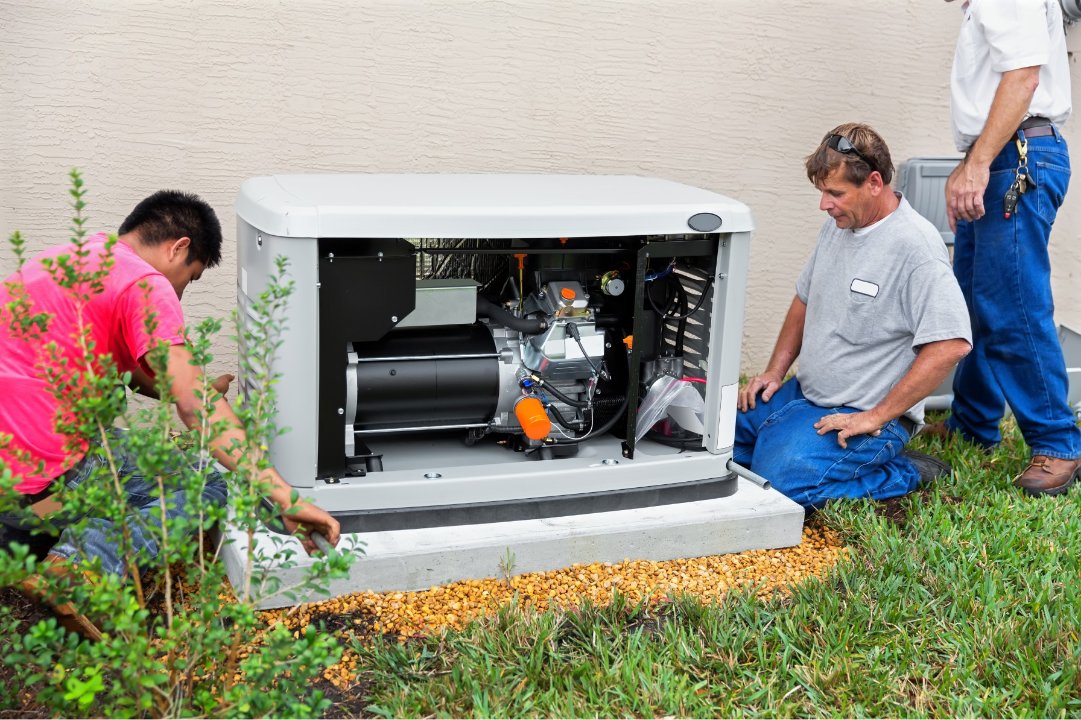
Should You Install a Whole-House Generator? A Comprehensive Guide
In today’s unpredictable world, power outages can happen at any time, often leaving families without heating or cooling, and making daily routines difficult to maintain. Whether due to a storm, natural disaster, or technical failure, an interruption in power supply can lead to significant disruptions. For homeowners who want a reliable backup plan, installing a whole-house generator can be a game-changer. But is it worth the investment? This guide will help you understand the pros and cons of installing a whole-house generator, as well as offer examples based on different regions.
What is a Whole-House Generator?
A whole-house generator is a permanent power solution that provides backup electricity for your entire home. Unlike portable generators that power only specific appliances, a whole-house generator is connected to your home’s electrical system and can power everything—from lights and air conditioning to your refrigerator and electric stove.
Whole-house generators are usually standby generators, meaning they automatically turn on when there’s a power outage. Depending on the model, they run on different fuel sources, such as natural gas, propane, or diesel.
How Does a Whole-House Generator Work?
When the power goes out, the generator detects the loss of electricity and immediately kicks on to provide power. This automatic transfer switch ensures that your home gets power without you needing to lift a finger. The generator continues running until the main power is restored.
Example by Region:
- Northeast (e.g., New York, Massachusetts): The region is prone to winter storms and power outages. A whole-house generator here is beneficial because it keeps essential systems like heating and water running during a blackout.
- Florida (e.g., Miami, Orlando): Given the high risk of hurricanes in Florida, homeowners often install whole-house generators to maintain power during storms and their aftermath.
- California (e.g., Los Angeles, San Francisco): In areas where wildfires and power shutoffs are common, a backup power supply ensures that families stay safe and comfortable during an emergency.
Benefits of Installing a Whole-House Generator
1. Uninterrupted Power Supply
The main advantage of a whole-house generator is the peace of mind it provides. Whether you're at home or away, your house is powered during an outage. This means that appliances, lights, heating, and cooling systems remain operational without manual intervention.
2. Increased Home Value
Homes equipped with whole-house generators are often more attractive to buyers, especially in areas prone to natural disasters or frequent blackouts. As a result, installing a whole-house generator could increase your property’s resale value.
3. Convenience and Comfort
Unlike portable generators, which require manual startup and are limited to powering a few devices, whole-house generators are integrated into your home’s electrical system. With an automatic transfer switch, the generator starts working the moment the power goes out, offering complete convenience.
4. Safety During Extreme Weather Events
In places like Florida and Texas, whole-house generators are especially important during hurricane season. Generators keep the lights on and essential appliances, such as refrigerators and medical equipment, running. During a power outage, having a whole-house generator can be crucial to maintaining safety and comfort.
Disadvantages of Installing a Whole-House Generator
1. High Initial Cost
The installation of a whole-house generator can be expensive. Costs generally range between $5,000 and $20,000, depending on the generator size, fuel type, and installation complexity. For example, natural gas-powered generators tend to be more affordable than diesel-powered ones but may require an existing natural gas line to be in place.
2. Maintenance Costs
While a whole-house generator is a low-maintenance system, regular servicing is required to ensure it works efficiently. Depending on usage and the generator model, maintenance costs can range between $200 and $500 per year.
3. Space Requirements
Whole-house generators are bulky and require a dedicated outdoor space. The generator must be placed in a well-ventilated area to ensure safety. Homeowners with limited yard space or restrictive zoning laws may find this to be a challenge.
4. Noise Pollution
Some whole-house generators can be noisy during operation, especially diesel models. While newer models have been designed to be quieter, the sound of the generator may still be disruptive to you and your neighbors.
Pros and Cons of Whole-House Generators
| Pros | Cons |
|---|---|
| Automatic operation— turns on as soon as the power goes out. | High initial cost— installation can be expensive. |
| Reliable power—keeps lights, heating, and essential appliances running. | Maintenance required— regular servicing to keep the generator functioning properly. |
| Increases home value— appealing to potential buyers in disaster-prone areas. | Space requirements— requires space for installation, especially if you have a small yard. |
| Safety and security—maintains power for medical devices and security systems. | Noise—generators can be noisy, depending on the model. |
| Comfort during extreme weather—perfect for regions with frequent storms or power outages. | Fuel dependency—requires fuel like propane, natural gas, or diesel to operate. |
Is Installing a Whole-House Generator Worth It?
Whether or not a whole-house generator is worth the investment largely depends on where you live, the frequency of power outages, and the overall importance of having backup power in your home.
For Homeowners in Storm-Prone Areas
If you live in Florida, Texas, or California, where extreme weather events like hurricanes, tornadoes, and wildfires can lead to long power outages, installing a whole-house generator can be a lifesaver. These regions frequently face lengthy power disruptions, and a whole-house generator ensures that your home stays powered for as long as needed.
For Homeowners in Rural Areas
In rural areas where the grid infrastructure may be less reliable, having a whole-house generator ensures you're not left in the dark. The cost of installation is a small price to pay for the reliability and convenience a whole-house generator brings to your family.
For Homeowners with Medical Needs
For families with elderly members or individuals who rely on medical devices, a whole-house generator can be a necessity. It ensures that power outages do not interfere with critical devices such as oxygen machines, dialysis equipment, or refrigerated medications.
For more tips on emergency preparedness, check out our past blog post: Winter Home Maintenance Tips for South Carolina: A Practical, Step-by-Step Seasonal Guide.
How to Choose the Right Whole-House Generator
When selecting a whole-house generator, there are a few key factors to consider:
- Power Needs: Calculate the total wattage required to run your home’s essential appliances. A generator that provides between 12 kW to 20 kW is generally sufficient for most homes.
- Fuel Type: Choose between natural gas, propane, or diesel, depending on what is most available in your area.
- Noise Levels: Consider noise pollution, especially if you live close to neighbors. Look for models designed for quieter operation.
Conclusion
A whole-house generator is an excellent investment for homeowners who want to ensure they are prepared for power outages. While the upfront cost can be significant, the benefits, including comfort, safety, and reliability, often outweigh the cons—especially in regions prone to natural disasters. By choosing the right generator for your home’s needs and considering all of the factors mentioned above, you can make a well-informed decision that will keep your family safe and comfortable for years to come.
Frequently Asked Questions About Whole-House Generators
The cost of a whole-house generator typically ranges between $5,000 and $20,000 depending on the size, fuel type, and installation complexity. For instance, natural gas-powered generators are generally more affordable than diesel models.
How long does a whole-house generator last?
A well-maintained whole-house generator can last for 15 to 20 years. Regular servicing and ensuring that the fuel supply is adequate can extend the life of the generator.
Can a whole-house generator run everything in my home?
A whole-house generator is designed to power everything in your home, including lights, appliances, and HVAC systems. However, the size of the generator needed will depend on your home's energy consumption.
Do I need a permit to install a whole-house generator?
Yes, in most areas, you will need a permit for installation. This ensures that the generator complies with local safety and electrical codes. It's important to consult with a licensed electrician or contractor to ensure proper installation.
How noisy is a whole-house generator?
The noise level of a whole-house generator varies by model and fuel type. Diesel models tend to be louder, while natural gas models are typically quieter. Newer models are designed to be as quiet as possible, but noise should still be considered, especially in urban areas.