
Smoke Detectors vs. Fire Sprinkler Systems: What’s Required and Where?
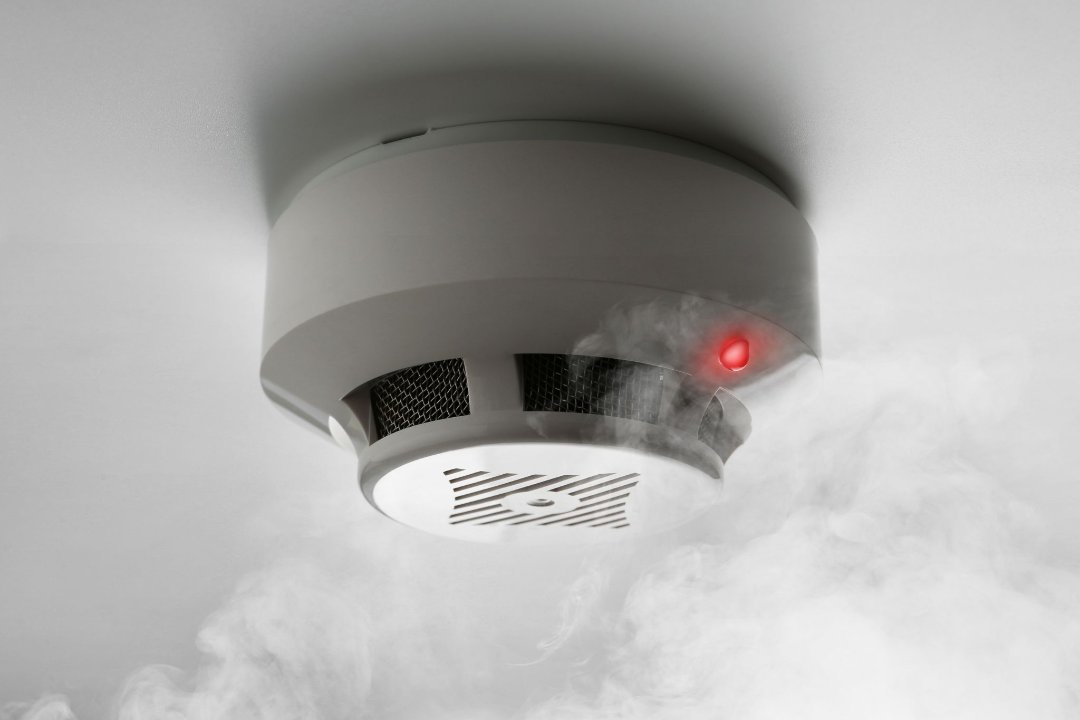
Smoke detectors and fire sprinkler systems both protect people from fires, but they do very different jobs. A smoke alarm detects smoke and warns occupants to get out, while a fire sprinkler responds to heat and releases water to help control a fire. Many homes need smoke alarms in bedrooms, outside sleeping areas, and on every level, while fire sprinkler requirements depend more heavily on the type of building and applicable building and fire codes.
Whether you own a house, rent an apartment, manage rental properties, or operate a commercial building, understanding smoke detectors vs. sprinkler systems can help you make your property safer.
Smoke Detectors vs. Sprinkler Systems: The Quick Answer
The easiest way to remember the difference is:
- Smoke alarm: Detects smoke and warns people to escape.
- Fire sprinkler: Detects sufficient heat and releases water to control or suppress a fire.
- Smoke alarms do not put out fires.
- Typical fire sprinklers do not activate just because they detect smoke.
- You may need both, depending on the property and applicable requirements.
Fire sprinklers also don’t normally all activate at once like they do in movies. Typically, the sprinkler exposed to sufficient heat activates individually.
Where Should Smoke Detectors Be Installed?
One of the most common questions homeowners ask is, “Where should smoke detectors be installed?”
The U.S. Fire Administration recommends installing smoke alarms:
- Inside every bedroom
- Outside each separate sleeping area
- On every level of the house
- In the basement
Interconnected smoke alarms provide additional protection because when one alarm detects smoke, all connected alarms sound.
Homeowners interested in interconnected alarms and other connected technology may also want to explore the best smart home upgrades for resale value.
Smoke alarms should generally be mounted on the ceiling or high on a wall according to the manufacturer’s directions. Placement near cooking appliances, bathrooms, windows, doors, and air ducts should also follow manufacturer and code guidance to reduce nuisance alarms and ensure proper operation.
Fire protection is also only one component of household security. Homeowners evaluating their overall safety strategy can compare the safest types of home security systems for families.
How Do Residential Fire Sprinklers Work?
Unlike smoke alarms, residential fire sprinkler systems are designed to react to heat from a developing fire.
A common misconception is that burning toast or a smoke alarm going off will cause every sprinkler in the house to spray water. That’s not how typical residential systems operate. Sprinklers respond to heat, and individual sprinkler heads activate when conditions around them reach their designed activation point.
That means smoke itself does not normally activate a fire sprinkler, and one activated sprinkler does not automatically cause every sprinkler in the house to activate.
Smoke alarms and sprinklers therefore provide two different layers of protection: one warns you to escape, while the other can help control the fire.
Are Fire Sprinklers Required in Homes?
There isn’t one answer that applies to every house in every location.
Residential fire sprinkler requirements can depend on state and local building codes, whether the property is new construction, the extent of a renovation, the type of dwelling, and other factors.
If you’re buying, building, or significantly renovating a house, ask the local building department, fire marshal, builder, or qualified fire-protection professional which requirements apply to that specific property.
What Are the Requirements for Apartments and Rental Properties?
Apartments and other multifamily buildings can have additional fire-safety requirements.
Individual units may require smoke alarms, while the overall building may also have a central alarm system and an automatic sprinkler system depending on its design, age, occupancy classification, and applicable codes.
South Carolina law specifically addresses smoke detectors in certain rental dwellings and apartment houses. For covered rental housing, owners have responsibilities involving supplying and installing smoke detectors, while tenants have responsibilities for reporting deficiencies.
Landlords should therefore treat rental property smoke detector requirements as an ongoing safety and compliance issue rather than something to think about only when a tenant moves in.
What About Commercial Buildings?
Commercial fire sprinkler requirements can be significantly more complicated.
An office, restaurant, store, warehouse, hotel, school, or healthcare facility may need different systems based on factors such as:
- Building use and occupancy
- Size and layout
- Number of occupants
- Building height
- Construction type
- Fire-area size
- Applicable building and fire codes
Commercial buildings may have automatic sprinklers, smoke-detection equipment, manual pull stations, audible and visual alarms, and monitoring systems.
Business owners should work with qualified fire-protection professionals and local authorities rather than assuming residential fire-safety equipment will satisfy commercial requirements.
What About Carbon Monoxide Detectors?
Smoke alarms and carbon monoxide detectors are also different devices.
Smoke alarms detect products of combustion associated with a fire. Carbon monoxide alarms detect dangerous concentrations of carbon monoxide, an odorless and colorless gas.
Some manufacturers offer combination smoke and carbon monoxide alarms, but homeowners should still make sure the devices and their placement meet the applicable requirements for both hazards.
How Often Should You Test Smoke Detectors?
Installing smoke alarms isn’t enough. They have to work when you need them.
The U.S. Fire Administration recommends testing smoke alarms monthly by pressing the test button. Alarms using replaceable batteries should have those batteries maintained according to manufacturer guidance; USFA recommends replacing standard 9-volt batteries at least annually.
Smoke alarms also don’t last forever. USFA recommends replacing smoke alarms 10 years from their manufacture date.
A simple routine is:
Every month: Test every smoke alarm.
Regularly: Pay attention to chirping, damage, or malfunctioning devices and follow manufacturer instructions for battery replacement.
At 10 years: Replace aging smoke alarms, or sooner if required by the manufacturer.
Never remove a smoke alarm’s battery simply because cooking or steam causes nuisance alarms.
Do Fire Sprinkler Systems Need Testing and Maintenance?
Yes. Fire sprinkler systems also require proper inspection and maintenance.
Homeowners should keep sprinkler heads unobstructed and should never paint them, hang objects from them, or attempt unauthorized DIY repairs. More complex residential, multifamily, and commercial systems may have valves, gauges, pumps, alarms, and monitoring equipment requiring professional attention.
Inspection and testing requirements vary by system and property, so owners should follow applicable codes, standards, manufacturer recommendations, and professional guidance.
Smoke Detectors, Sprinklers, and Homeowners Insurance
Fire-protection improvements may also affect homeowners insurance. Some insurers offer discounts for qualifying alarms, sprinklers, monitored systems, or other protective equipment, although discounts vary. Learn more about whether security upgrades can lower homeowners insurance costs.
Fire safety is also a good reminder to review your coverage. Learning how to read your insurance declarations page can help you understand your deductible, dwelling coverage, personal property coverage, and other important policy information.
It is also helpful to understand how liability limits work on a homeowners insurance policy.
If a fire does occur, knowing the steps for filing an insurance claim before, during, and after the process can make a stressful situation easier to navigate.
Finally, homeowners shouldn’t assume every type of damage is automatically covered. Understanding when homeowners insurance may not cover damage can help identify questions to discuss with your insurance provider.
Bottom Line
When comparing smoke detectors vs. fire sprinkler systems, remember that they aren’t competing technologies. They perform different jobs.
Smoke alarms provide early warning. Fire sprinklers help control a developing fire.
Homeowners should make sure smoke alarms are properly located, test them monthly, replace aging units, and understand whether their property has—or is required to have—a sprinkler system. Apartment owners, landlords, and commercial property owners should pay particular attention to the requirements applying to their specific buildings.
And because fire protection and insurance often overlap, it’s worth reviewing your homeowners coverage before an emergency happens. Bluefield Insurance Group can help homeowners review their coverage, understand available protection, and discuss whether qualifying safety or security upgrades may affect their insurance options.
Most importantly, don’t guess about where smoke detectors are required or whether fire sprinklers are required. Building and fire codes vary by property and jurisdiction. When you’re unsure, check with your local building department, fire marshal, or a qualified fire-protection professional.
Frequently Asked Questions
Are smoke detectors required in every bedroom?
Current fire-safety guidance recommends smoke alarms inside every bedroom, outside each separate sleeping area, and on every level of the home. Legal requirements can vary by jurisdiction and property.
How many smoke detectors do I need?
There isn’t one number for every home because the answer depends on the number of bedrooms, sleeping areas, and floors. A multistory four-bedroom home, for example, will generally need more alarms than a one-bedroom single-story house.
Can smoke set off a fire sprinkler?
Typical fire sprinklers are activated by heat, not by smoke or the sound of a smoke alarm.
Will every sprinkler go off during a fire?
No. Fire sprinklers generally operate individually. The sprinkler exposed to sufficient heat activates rather than automatically triggering every sprinkler in the building.
Are fire sprinklers required in every home?
Not necessarily. Requirements depend on applicable state and local codes, construction type, location, and other factors. Check with your local building department or fire marshal for requirements applying to a particular home.
How often should smoke detectors be tested?
The U.S. Fire Administration recommends testing smoke alarms once a month.
Do smoke detectors or sprinklers lower homeowners insurance?
They may. Some insurers offer discounts for qualifying protective devices, but eligibility and savings vary by insurer and policy.