The Benefits of Using Virtual Tours to Advertise Your Home Listing
If you’re getting ready to list your home for sale, you already know how competitive the market can be. Most buyers decide whether they’re interested in a home within seconds of seeing it online, which makes your listing presentation just as important as pricing and location.
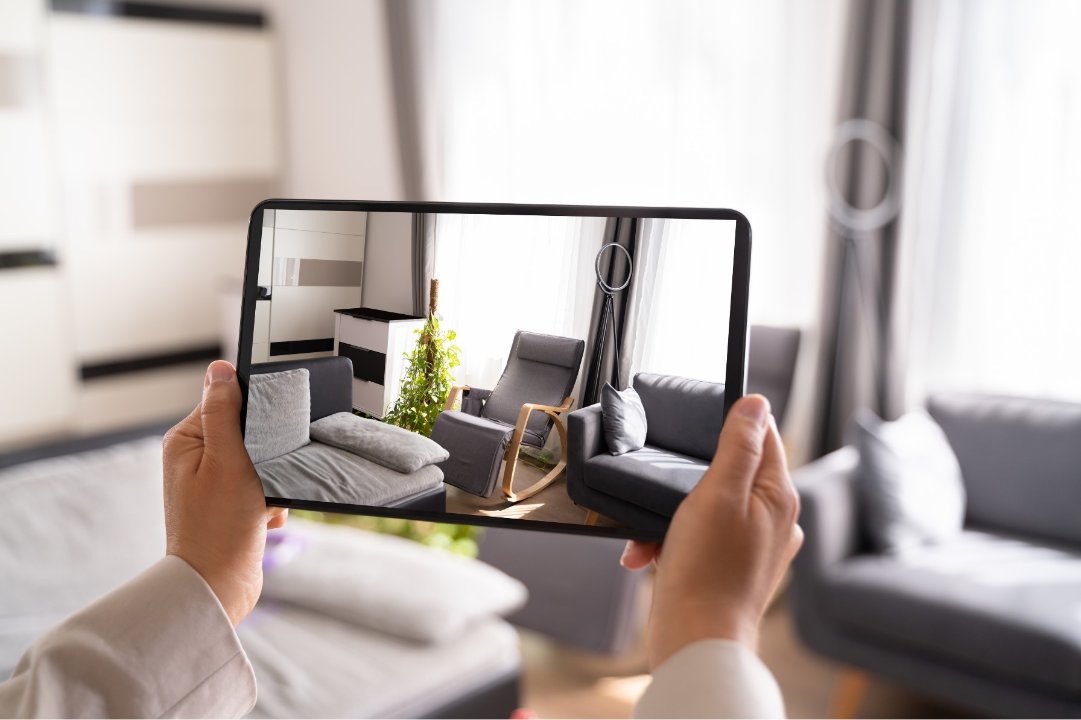
That’s why virtual tours for real estate listings have become one of the most effective marketing tools for sellers. A well-done virtual home tour helps buyers understand the layout, flow, and feel of your home before they ever schedule a showing—often leading to better-qualified buyers and fewer wasted appointments.
Below, we’ll walk through the benefits of using virtual tours to advertise your home listing, along with practical do’s and don’ts, cost expectations, common buyer feedback, and proven ways to make your tour more attractive.
Why Virtual Tours Matter When You’re About to List
Today’s buyers start their search online. They scroll quickly, compare multiple homes at once, and move on if something doesn’t immediately catch their attention. While professional photos are still essential, virtual house tours give buyers something photos alone can’t: context.
With a virtual tour, buyers can:
- Walk through the home at their own pace
- See how rooms connect
- Understand scale and layout
- Decide if the home fits their needs before booking a showing
For sellers, that usually means fewer casual showings and more serious interest.
Key Benefits of Using Virtual Tours to Sell Your Home
1. Increased Listing Visibility and Engagement
Listings with 3D virtual tours tend to get more clicks and longer engagement times than listings with photos alone. Buyers spend more time exploring the home, which increases the chances of saves, shares, and follow-up questions.
Search platforms also favor listings with richer media, helping your home stand out in crowded search results.
2. Better-Qualified Buyers (and Fewer Wasted Showings)
One of the biggest advantages of virtual tours for selling a home is buyer self-selection. When buyers can tour the home virtually, they often rule themselves in—or out—before scheduling a visit.
That leads to:
- More intentional showings
- Better buyer questions
- Stronger overall interest
- Less time spent preparing for unproductive appointments
3. Less Disruption While Your Home Is on the Market
Living in a home while it’s listed can be stressful. Virtual walk-throughs reduce the need for frequent in-person showings, allowing buyers to preview the home online first.
This is especially helpful if you:
- Work from home
- Have kids or pets
- Are trying to keep the house show-ready
Many buyers won’t request a showing until they’ve completed the virtual tour.
4. Strong Appeal to Relocation & Out-of-Area Buyers
Virtual tours are especially valuable for relocation buyers and long-distance home shoppers. These buyers often rely on online home tours to narrow down options before traveling—or even before making an offer.
If your home appeals to out-of-town buyers, a virtual tour can significantly expand your buyer pool.
What Buyers Expect From a Virtual Home Tour
Buyers don’t expect perfection—but they do expect honesty.
Most buyers want virtual tours to be:
- Clean and uncluttered
- Well-lit and easy to navigate
- Accurate and realistic
- Consistent with listing photos
Anything that feels misleading can hurt trust once the buyer sees the home in person.
Virtual Tour Do’s and Don’ts
✅ DO: Prepare Your Home Like a Showing
Before filming:
- Declutter counters, shelves, and floors
- Remove personal photos and excess décor
- Open blinds and turn on lights
- Tidy cords, trash cans, and pet items
If it would distract a buyer in person, it will be even more noticeable online.
❌ DON’T: Overstage or Distort Spaces
Avoid extreme wide-angle effects or hiding flaws. Buyers value transparency, and disappointment during a showing can quickly derail interest.
✅ DO: Highlight Flow and Layout
Virtual tours are most effective when they clearly show how spaces connect. Keep doors open where appropriate and allow a natural path through the home.
❌ DON’T: Skip Important Areas
Leaving out basements, garages, laundry rooms, or outdoor spaces can raise red flags. Buyers want the full picture.
How Much Do Virtual Tours Cost?
Costs vary by home size and technology, but most sellers can expect:
- Basic 360° virtual tours: $150–$300
- Professional 3D virtual tours (Matterport-style): $250–$500
- Larger or luxury homes: $500–$800+
While this is an upfront expense, many sellers find that virtual tours help reduce time on market and avoid unnecessary price reductions.
Ideas to Make Your Virtual Tour More Attractive
To maximize impact:
- Use neutral staging to help buyers visualize the space
- Ensure consistent lighting throughout the home
- Add simple room labels for clarity
- Highlight outdoor areas like patios or decks
- Let upgrades speak for themselves without overexplaining
The goal is to help buyers feel confident—not overwhelmed.
Common Buyer Feedback on Virtual Tours
Positive feedback often includes:
- “I already understood the layout”
- “It saved me time”
- “I felt confident booking a showing”
- “It helped me compare homes easily”
Negative feedback usually points to:
- Poor lighting
- Clutter
- Missing rooms
- Disorienting camera angles
Most issues are avoidable with proper preparation.
How Virtual Tours Fit Into a Smart Selling Strategy
Virtual tours work best when they’re part of a larger, thoughtful listing strategy. Sellers who pair virtual tours with strong pricing, clean presentation, and clear expectations tend to see smoother transactions overall.
This is especially true for homes that may attract relocation buyers. In fact, many sellers preparing for out-of-state interest benefit from understanding how buyers evaluate homes remotely—something explored in our blog post, What to Know Before Moving Out of State: The Hidden Details Most People Never Think About.
That kind of buyer behavior is exactly where virtual tours shine.
Final Thoughts: Are Virtual Tours Worth It?
For most sellers, yes.
Virtual tours:
- Increase listing engagement
- Attract more serious buyers
- Reduce unnecessary showings
- Appeal to relocation and remote buyers
- Build trust before the first showing
When done correctly, a virtual tour doesn’t replace in-person showings—it makes them more productive.
Frequently Asked Questions About Virtual Home Tours
Yes. Homes with virtual tours often attract better-qualified buyers, which can reduce time on market and lead to stronger offers.
Are virtual tours worth the cost when selling a home?
For most sellers, the cost is offset by increased interest, fewer wasted showings, and better buyer confidence.
Do virtual tours replace in-person showings?
No. Virtual tours help buyers decide if a home is worth seeing in person, making showings more efficient.
What should I do before my home’s virtual tour is filmed?
Declutter, clean thoroughly, open blinds, turn on lights, and remove personal items—just like a professional showing.
Can virtual tours attract out-of-state buyers?
Absolutely. Virtual tours are especially valuable for relocation and long-distance buyers.