
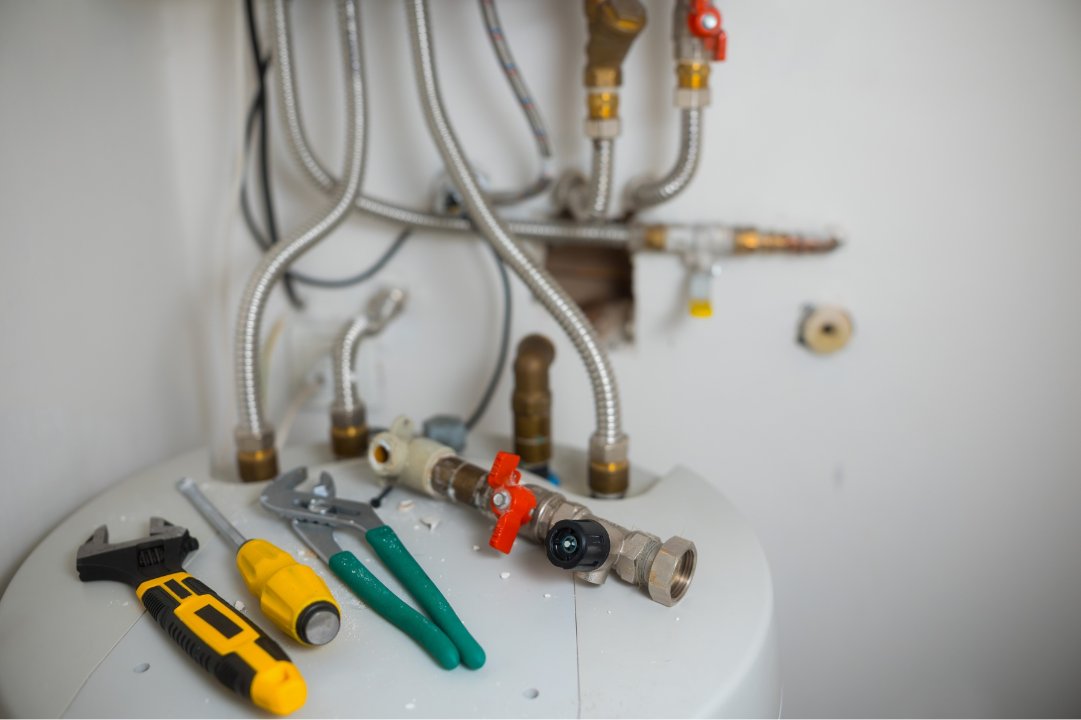
Things to Consider When Replacing a Hot Water Heater
Tankless vs. Traditional, Costs, Placement, and What Homeowners Often Overlook
Replacing a hot water heater is rarely planned. Most homeowners start searching “water heater replacement” only after the water turns cold, a unit starts leaking, or energy bills quietly increase. Whether you’re reacting to a sudden failure or planning ahead, the decisions you make now affect daily comfort, energy efficiency, safety, and even resale value.
This guide covers what to consider when replacing a hot water heater, including a clear comparison of tankless water heaters vs. traditional tank systems, realistic pricing, how home size and bathroom count matter, when DIY makes sense, how to hire the right professional, and the overlooked details homeowners often don’t think about until after installation.
Tankless vs. Traditional Water Heaters: What’s the Real Difference?
Traditional Tank Water Heaters
Traditional water heaters store heated water in a tank, typically 40–80 gallons, and reheat it as it’s used.
Pros
- Lower upfront replacement cost
- Straightforward installation
- Easy like-for-like replacement
Cons
- Limited hot water supply
- Energy loss from stored water
- Larger footprint
- Shorter lifespan (8–12 years)
Tankless Water Heaters
Tankless systems heat water on demand, meaning hot water is available whenever you need it—without storing it.
Pros
- Endless hot water
- Smaller size and flexible placement
- Higher energy efficiency
- Longer lifespan (15–20+ years)
Cons
- Higher upfront cost
- Electrical or gas upgrades may be required
- Professional installation is usually necessary
For households with multiple bathrooms or overlapping water use, tankless water heaters often provide stronger long-term value, even with a higher initial investment.
How Home Size and Number of Bathrooms Affect Your Choice
Choosing a water heater based only on price is one of the most common mistakes homeowners make.
Bathroom Count
- 1 bathroom: 40–50 gallon tank or compact tankless
- 2 bathrooms: 50–65 gallon tank or mid-range tankless
- 3+ bathrooms: 75–80 gallon tank or high-capacity tankless
If showers, laundry, and dishwashers often run at the same time, tankless systems usually perform better.
Square Footage
Larger homes typically have:
- Longer plumbing runs
- More simultaneous demand
- Greater heat loss with traditional tanks
This is whytankless water heaters are especially appealing in larger homes, particularly when installed closer to high-use bathrooms.
Water Heater Replacement Cost: What Homeowners Should Expect
Searches for “water heater replacement cost” spike because pricing varies widely.
Typical Installed Cost Ranges
- Traditional tank: $900–$2,500
- Tankless system: $3,000–$6,500+
- DIY tank replacement: $600–$1,200
Costs People Don’t Expect
- Electrical panel upgrades
- Gas line resizing
- Venting modifications
- Condensate drain installation
- Permit and inspection fees
These costs are more common with tankless installations, but they’re essential for safety, efficiency, and code compliance.
DIY vs. Hiring a Professional: When Each Makes Sense
Many homeowners search “how to replace a hot water heater” hoping to save money—but DIY isn’t always the smart option.
DIY May Be Reasonable If:
- You’re replacing electric with electric
- The unit is easily accessible
- No venting or gas changes are needed
- Local codes allow homeowner installation
Hire a Professional If:
- You’re installing a tankless water heater
- Gas lines or venting need modification
- Electrical upgrades are required
- Permits and inspections are involved
Improper installation can void warranties, complicate insurance claims, and create safety risks.
Placement: A Detail That Impacts Performance More Than You Think
Traditional Tank Placement
- Commonly located in basements or garages
- Requires a drain pan and floor drain
- Earthquake strapping may be required
Tankless Placement Advantages
- Wall-mounted flexibility
- Can be installed closer to bathrooms
- Faster hot water delivery
- Frees up valuable floor space
Overlooked Placement Details
- Noise near bedrooms or living areas
- Clearance for future servicing
- Cold-air intake requirements
- Freeze protection in garages or exterior walls
Energy Efficiency, Water Quality, and Long-Term Savings
Tankless water heaters can reduce energy usage by 10–35%, depending on household habits. Many homeowners break even within 5–7 years, especially in larger homes.
Replacing a water heater is also a natural time to look at broader efficiency improvements. Homeowners focused on lowering utility bills often pair a new water heater with insulation upgrades, smarter water usage, and energy-efficient appliances. For a deeper look at practical ways to improve efficiency throughout your home, our guide on how to make your home more energy-efficient with practical steps and smart upgrades offers a helpful next step.
Uncommon but important detail:
Hard water causes sediment buildup that shortens the lifespan of traditional tanks. Tankless systems require periodic descaling, but they often tolerate hard water better when properly maintained.
Permits, Insurance, and Resale Considerations
These details are often overlooked—but matter later.
- Unpermitted installations can delay home sales
- Insurance claims may be denied for improper installs
- New water heaters reduce inspection risk
- Tankless systems are often viewed as premium upgrades
If you plan to sell within a few years, documented permits and professional installation can make a meaningful difference.
Quick Decision Checklist: Tank or Tankless?
Choose Tankless if you:
- Have 3+ bathrooms
- Want endless hot water
- Plan to stay in the home long-term
- Want lower energy bills
Choose Traditional Tank if you:
- Need lower upfront cost
- Are replacing an identical unit
- Have modest water usage
- Want the fastest replacement
Frequently Asked Questions
How long does it take to replace a water heater?
Traditional tank replacements usually take 2–4 hours. Tankless installations may take 1–2 days if upgrades are required.
Is a tankless water heater worth the cost?
For larger households and long-term homeowners, yes—especially due to efficiency and longer lifespan.
Do tankless water heaters work during power outages?
Most do not, even gas models, because they require electricity.
How often do tankless systems need maintenance?
Typically once per year, especially in areas with hard water.
Final Thoughts
Replacing a hot water heater isn’t just a repair—it’s an opportunity to improve efficiency, comfort, and long-term reliability. While traditional tanks still make sense for some homes, tankless water heaters often deliver superior performance, particularly for larger households or modern lifestyles.
By considering home size, bathroom count, placement, true installation costs, and future plans, homeowners can make confident decisions that support both daily living and long-term home value. Pairing your water heater upgrade with broader efficiency improvements—like those outlined in Bluefield’s energy-efficiency guide—can further maximize savings and comfort.