
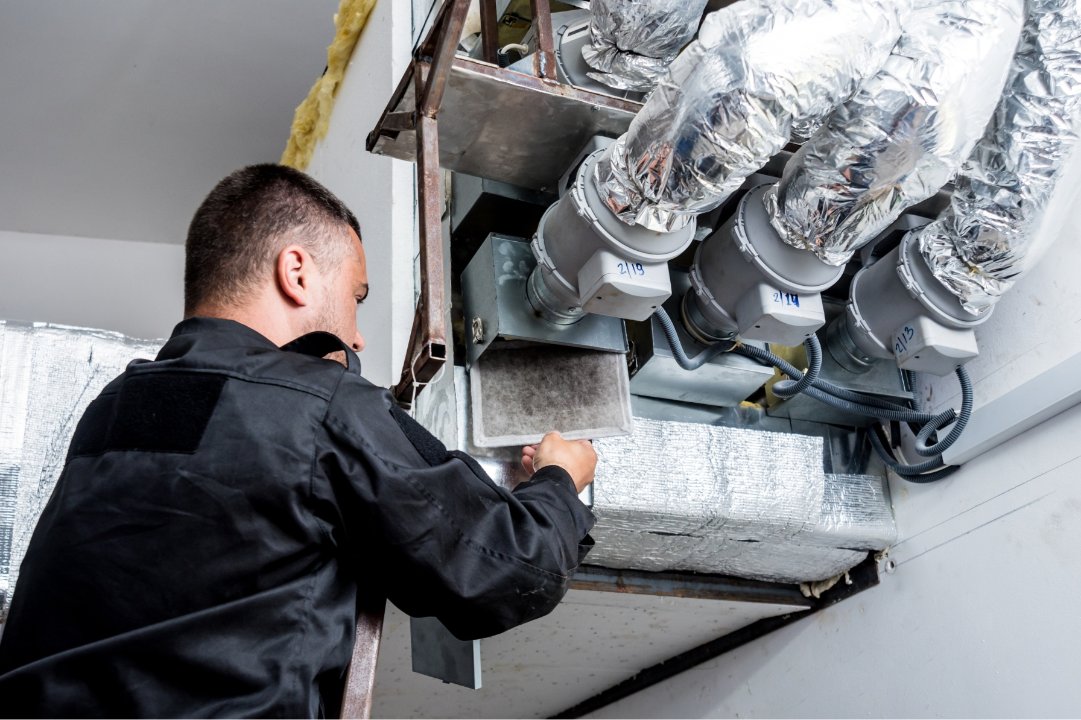
Understanding Your Home’s HVAC System: A Homeowner’s Guide to Comfort, Efficiency, and Savings
Your home’s HVAC system quietly works behind the scenes every day, keeping you comfortable through hot summers, cold winters, and everything in between. Yet for many homeowners, it’s one of the least understood—and most expensive—systems in the house.
Whether you’re a first-time homeowner or have owned your home for years, understanding how your HVAC system works can help you save money, avoid unexpected breakdowns, improve indoor air quality, and extend the life of your equipment. This guide explains how residential HVAC systems work, the most common systems being installed today, and the important details most homeowners overlook.
What Is an HVAC System (and What Does It Actually Do)?
HVAC stands for Heating, Ventilation, and Air Conditioning. Together, these systems control:
- Indoor temperature
- Humidity levels
- Air circulation
- Indoor air quality
Your home HVAC system doesn’t just heat or cool the air—it moves air, filters contaminants, and helps manage moisture. This is especially important in regions with hot summers or high humidity, where HVAC performance directly impacts comfort, energy costs, and even long-term home condition.
The Most Common HVAC Systems Installed in Homes Today
Central HVAC Systems (Split Systems)
Split systems are the most common residential HVAC setup in the U.S. They include:
- An outdoor unit (air conditioner or heat pump)
- An indoor unit (furnace or air handler)
- Ductwork that distributes air throughout the home
These systems are reliable and cost-effective, especially for homes with existing ductwork.
Heat Pump Systems
Heat pumps have become one of the fastest-growing HVAC options because they provide both heating and cooling while using less energy than traditional systems. Instead of generating heat, they transfer heat, which improves efficiency.
Homeowners often research:
- Heat pump vs. furnace
- Energy-efficient HVAC systems
- Best HVAC systems for warm or moderate climates
Ductless Mini-Split Systems
Ductless HVAC systems are common in:
- Older homes without ductwork
- Home additions or renovations
- Bonus rooms and converted garages
They offer zoned temperature control and excellent efficiency, though upfront installation costs are usually higher.
Packaged HVAC Units
Packaged systems house all components in a single outdoor unit. These are typically found in smaller homes or townhomes where interior space is limited.
Key HVAC Components Every Homeowner Should Understand
Even if you never plan to service your system yourself, knowing the basics helps you catch issues early.
- Thermostat: Controls temperature and scheduling
- Air Handler or Furnace: Moves and conditions air
- Condenser Unit: Releases or absorbs heat outdoors
- Evaporator Coil: Helps cool and dehumidify air
- Ductwork: Delivers air throughout the home
- Air Filters: Trap dust, allergens, and debris
👉 What most homeowners don’t realize: Dirty filters, leaky ducts, or blocked vents can make a newer HVAC system perform like an older one—raising energy bills and reducing comfort.
Important HVAC Details Most Homeowners Don’t Think About
Airflow Often Matters More Than Equipment Size
An oversized HVAC system may seem appealing, but it can short-cycle, wear out faster, and struggle with humidity control. Proper system sizing and airflow design are critical for efficiency and comfort.
Humidity Control Affects Comfort and Energy Use
Many comfort complaints aren’t temperature problems—they’re humidity problems. Excess moisture makes your home feel warmer, increases mold risk, and forces your HVAC system to work harder.
HVAC Performance Impacts Indoor Air Quality
Your HVAC system filters the air you breathe. Poor maintenance can circulate dust, pollen, and allergens throughout the home. Homeowners concerned about comfort often overlook this connection.
For a deeper look at how air movement, insulation, and efficiency upgrades work together, this Bluefield Realty Group guide on making your home more energy efficient breaks down practical improvements that complement HVAC performance.
Regular HVAC Maintenance: What You Should Actually Be Doing
Routine HVAC maintenance is one of the easiest ways to prevent breakdowns and control energy costs.
Monthly
- Replace or clean HVAC air filters
- Check thermostat settings
Seasonally
- Clear debris from outdoor units
- Make sure vents and returns are unobstructed
Annually
- Schedule professional HVAC service
- Inspect electrical components and refrigerant levels
- Check system efficiency and airflow
Regular maintenance can extend your HVAC system’s lifespan by 5–10 years and reduce the risk of mid-season failures.
Understanding HVAC Efficiency Ratings (and Why They Matter)
SEER Ratings
SEER (Seasonal Energy Efficiency Ratio) measures cooling efficiency. Higher SEER ratings typically result in lower energy bills over time.
AFUE Ratings
AFUE measures furnace efficiency. A furnace with a 95% AFUE converts 95% of its fuel into usable heat.
Many homeowners don’t realize that higher-efficiency systems may qualify for rebates, utility incentives, or tax credits—making upgrades more affordable long-term.
How to Lower Heating and Cooling Costs Without Replacing Your System
Small changes can significantly reduce HVAC energy use:
- Use programmable or smart thermostats
- Seal air leaks around doors and windows
- Keep vents open and unobstructed
- Change filters regularly
- Schedule annual HVAC tune-ups
Energy-efficient habits often matter just as much as the equipment itself.
HVAC Systems and Home Value: What Buyers Look For
When buying or selling a home, the HVAC system plays a major role in buyer confidence. Buyers commonly ask:
- How old is the HVAC system?
- Has it been regularly maintained?
- Is it energy efficient?
A well-maintained system can reduce inspection concerns, help negotiations go smoothly, and support stronger resale value. Understanding how major systems affect inspections can also be helpful when preparing to buy or sell.
Final Thoughts: Why Understanding Your HVAC System Pays Off
Your HVAC system is one of the largest investments in your home—and one of the most important for daily comfort. When homeowners understand how their system works, how to maintain it, and how efficiency impacts long-term costs, they’re better equipped to make smart decisions.
A little HVAC knowledge goes a long way toward:
- Lower utility bills
- Fewer surprise repairs
- Better indoor air quality
- A more comfortable, valuable home