
What Happens During a Home Inspection? A First-Time Buyer’s Guide
If you're buying your first home, the inspection can be one of the most intimidating parts of the process. What happens if the inspector finds foundation cracks? Is an old HVAC system a dealbreaker? Should you worry about every item listed in the report?
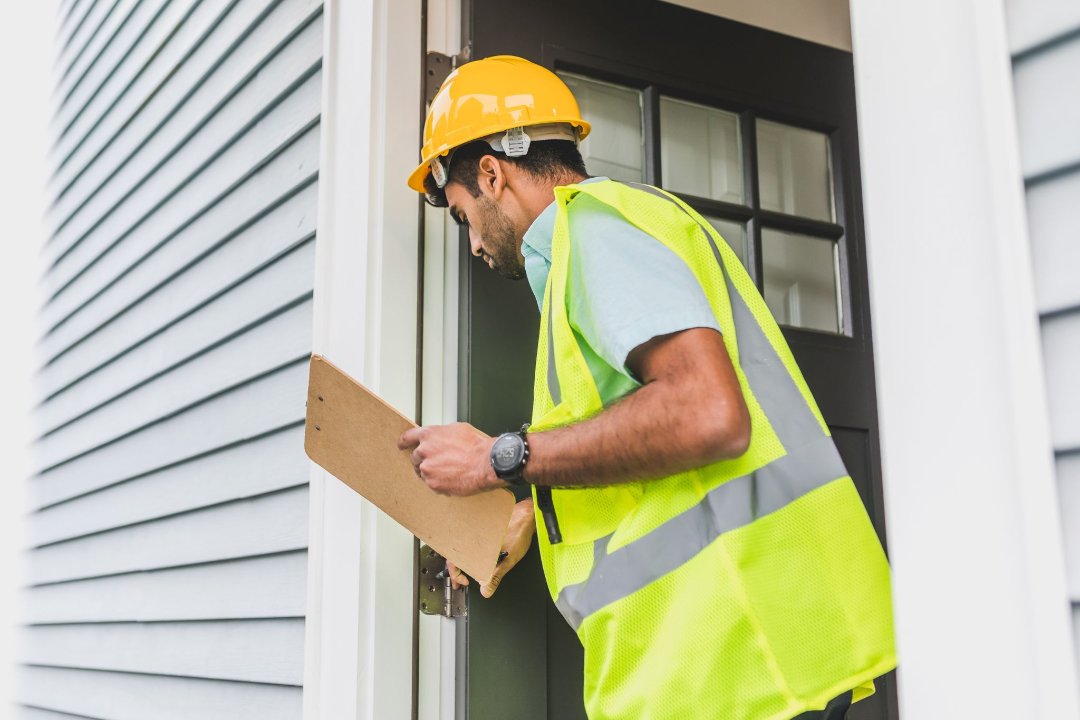
During a home inspection, a professional inspector examines many of the home's visible and accessible systems and components, looking for defects, safety concerns, damage, and signs of potential problems. The inspector then provides a report explaining what was observed.
The important thing for first-time buyers to understand is that almost every home has issues. Your goal isn't necessarily to find a perfect house. It's to understand what you're buying and identify problems that may deserve further attention before closing.
What Happens During a Home Inspection?
The exact home inspection process varies depending on the property and inspector, but it generally follows this pattern:
- The inspector evaluates accessible areas and major systems.
- Defects, damage, safety concerns, and maintenance issues are documented.
- Photos may be taken to illustrate findings.
- Significant concerns may be discussed with the buyer.
- The inspector prepares a written home inspection report.
- The buyer reviews the findings and determines whether additional evaluations or other steps are appropriate.
For buyers who want an even more detailed list of items to consider, our ultimate home inspection checklist for buyers explains what to check before closing.
When Does the Home Inspection Happen?
A home inspection for buyers typically takes place after the seller accepts an offer but before closing. The exact timing depends on the purchase contract and applicable deadlines.
If this is your first purchase, learning what happens after your offer is accepted on a house can help you understand how inspections fit alongside financing, appraisal, insurance, and other pre-closing steps.
Schedule the inspection promptly. If the inspector identifies a concern that requires evaluation by another professional, you'll want enough time to arrange it before applicable deadlines expire.
Understanding the overall homebuying timeline from pre-approval to closing can also make these deadlines less overwhelming.
Home Inspection vs. Appraisal: What's the Difference?
First-time buyers frequently confuse these two steps.
A home inspection primarily examines the condition of the property, while an appraisal develops an opinion of the property's value, commonly for the mortgage lender.
Our guide explaining the difference between a home appraisal and a home inspection goes deeper into why buyers may encounter both.
Neither should automatically be treated as a substitute for the other.
How Long Does a Home Inspection Take?
There isn't one standard inspection time.
The home's size, age, design, accessibility, number of systems, and overall condition can affect how long the inspection takes. A smaller condo may require less time than a large older house with multiple HVAC systems, an attic, crawl space, garage, and additional structures.
Instead of focusing on speed, focus on whether the inspection is thorough.
Should Buyers Attend the Home Inspection?
When possible, attending at least part of the inspection can be helpful.
During your original showing, you probably focused on layout, finishes, room sizes, and other things buyers notice first when viewing a home.
Inspection day is different.
Now the question changes from “Do I like this house?” to “What condition is this house actually in?”
Give the inspector room to work, but don't be afraid to ask questions about significant findings.
What Does a Home Inspector Look For?
While inspection scope varies, inspectors commonly evaluate many visible and accessible components of the following areas.
Roof and Exterior
The inspector may evaluate roofing materials, flashing, gutters, drainage, siding, trim, doors, windows, decks, porches, and other accessible exterior components.
A few damaged shingles and widespread roof deterioration are very different findings.
Foundation and Structure
Inspectors look for visible conditions that could indicate structural concerns, such as certain cracks, damaged framing, moisture intrusion, or unusual movement.
Don't automatically panic when you see the word “crack.” Not every crack indicates foundation failure. What matters is its characteristics, location, surrounding conditions, and whether further professional evaluation is recommended.
Plumbing
Inspectors typically evaluate accessible plumbing components, fixtures, toilets, faucets, visible supply and drain piping, and water-heating equipment within the scope of the inspection.
A dripping faucet is quite different from evidence of ongoing leakage or substantial water damage.
Electrical
Electrical findings deserve attention because certain defects can present safety hazards.
The inspector may evaluate accessible panels, outlets, switches, wiring, and other electrical components. Some findings may warrant additional evaluation by a licensed electrician.
Heating and Cooling
The inspector will generally evaluate accessible components of the home's heating and cooling equipment under appropriate operating conditions.
An older HVAC system doesn't automatically make a home a bad purchase. However, buyers should understand its observed condition and whether repairs, servicing, or replacement may be approaching.
Attic, Crawl Space, and Basement
These areas can reveal moisture intrusion, damaged insulation, wood deterioration, pest activity, ventilation problems, plumbing leaks, or structural concerns that weren't obvious during your initial tour.
Home Inspection Red Flags: What Should You Worry About?
One of the biggest first-time homebuyer mistakes is treating every inspection finding as equally serious—or assuming every defect means you should abandon the purchase.
Instead, pay particular attention to issues involving:
- Significant structural concerns
- Active or extensive water intrusion
- Major roof deterioration or leaking
- Serious electrical safety hazards
- Significant plumbing or sewer problems
- Extensive wood damage
- Major drainage or foundation concerns
- Major systems that aren't functioning properly
- Findings that require evaluation by a specialist
If the inspector recommends evaluation by a structural engineer, electrician, plumber, roofer, HVAC contractor, pest professional, or another qualified specialist, don't ignore the recommendation.
Knowing how to separate major concerns from normal homeownership issues can also help you avoid other common first-time homebuyer mistakes.
What Shouldn't You Panic About?
A long inspection report does not automatically mean the house is in terrible condition.
Reports commonly mention things like deteriorated caulk, loose hardware, damaged screens, worn finishes, dripping faucets, minor cosmetic damage, or routine maintenance recommendations.
These findings still matter, but they don't necessarily deserve the same level of concern as structural damage, active water intrusion, serious electrical hazards, or a major system failure.
Instead of counting the number of defects, ask:
Does this affect safety, structural integrity, water management, or a major home system? Could it require a significant repair? Does a specialist need to investigate further?
Those questions provide much more useful information than simply asking how many things are “wrong.”
Questions to Ask Your Home Inspector
When an inspector identifies something you don't understand, consider asking:
- Is this primarily maintenance, or is it a larger concern?
- Is there a potential safety issue?
- How quickly should this be addressed?
- Could this finding indicate another problem?
- Should another professional evaluate it?
- Is this something I should continue monitoring?
Remember that inspectors aren't necessarily the professionals who will diagnose or repair every problem. Sometimes their most important recommendation is to have a specialist investigate further.
What Doesn't a Home Inspection Cover?
A standard inspection is generally visual and non-invasive. Inspectors aren't opening walls, tearing up floors, or dismantling equipment to discover every hidden defect.
Certain property features or concerns may also require specialized inspections or evaluations, such as septic systems, wells, sewer lines, pools, chimneys, radon, mold, or wood-destroying organisms.
Ask your inspector what is and isn't included in the inspection you're purchasing.
What Happens After a Home Inspection?
After the inspection, you'll typically receive a home inspection report documenting observations, photographs, and recommendations.
Read the entire report instead of focusing only on the most dramatic photograph.
Separate the findings into three broad groups:
Major or safety concerns: Issues involving safety, structure, water intrusion, or potentially expensive systems.
Items needing further evaluation: Problems where another qualified professional should investigate.
Routine maintenance and smaller repairs: Items that may simply become part of owning and maintaining the property.
Depending on your contract and circumstances, inspection findings may lead to additional evaluations or discussions concerning repairs, credits, price, or whether to proceed. Your real estate professional can help you understand the options available under your specific contract.
The Bottom Line: Focus on the Problems That Matter
The purpose of a home inspection isn't to produce a perfectly clean report. Homes require maintenance, and even well-maintained properties can have defects.
For first-time buyers, the key is learning to distinguish between routine maintenance and findings that could affect safety, structure, water intrusion, or major home systems.
Don't ask only, “How many problems did the inspector find?”
Ask, “Which problems matter most, what might they cost to address, and do I need more information before moving forward?”
A thorough inspection can give you a clearer picture of the property you're considering and help you approach one of the biggest purchases of your life with more information.
If you're preparing to buy a home in South Carolina or North Carolina, Bluefield Realty Group can help you navigate the homebuying process—from searching for the right property and making an offer to understanding the steps that lead toward closing.
Frequently Asked Home Inspection Questions for First-Time Buyers
Can a House Fail a Home Inspection?
Generally, a standard home inspection isn't a pass-or-fail test. The inspector reports observed conditions so the buyer can make a more informed decision.
Who Pays for the Home Inspection?
Buyers commonly hire and pay their inspector, although arrangements can vary.
Does the Seller Attend the Home Inspection?
Practices vary, but buyers should ask their real estate professional and inspector what to expect for their particular transaction.
Can You Negotiate After a Home Inspection?
Depending on the purchase contract, inspection findings, deadlines, and circumstances, buyers may have options regarding repairs or other terms. Discuss your specific contractual rights and deadlines with your real estate professional rather than assuming every repair is automatically negotiable.