
What Is a CL-100 Inspection? A Homebuyer’s Guide to the Report, What Happens Next, and How to Protect Your Home Long-Term
If you’re buying a home in South Carolina, chances are you’ll hear someone—your real estate agent, lender, or closing attorney—ask for a CL-100 inspection. For many buyers, it’s one of those terms that gets thrown around without much explanation. Yet this report plays a major role in protecting you from unexpected repair costs, structural issues, or even deal-breaking problems. Whether you’re a first-time buyer or purchasing your fifth property, understanding the CL-100 is essential.
This guide breaks down what a CL-100 inspection actually is, how to read the report without feeling overwhelmed, the steps to take if any issues show up, and how to keep your home protected long after closing.
What Exactly Is a CL-100 Inspection?
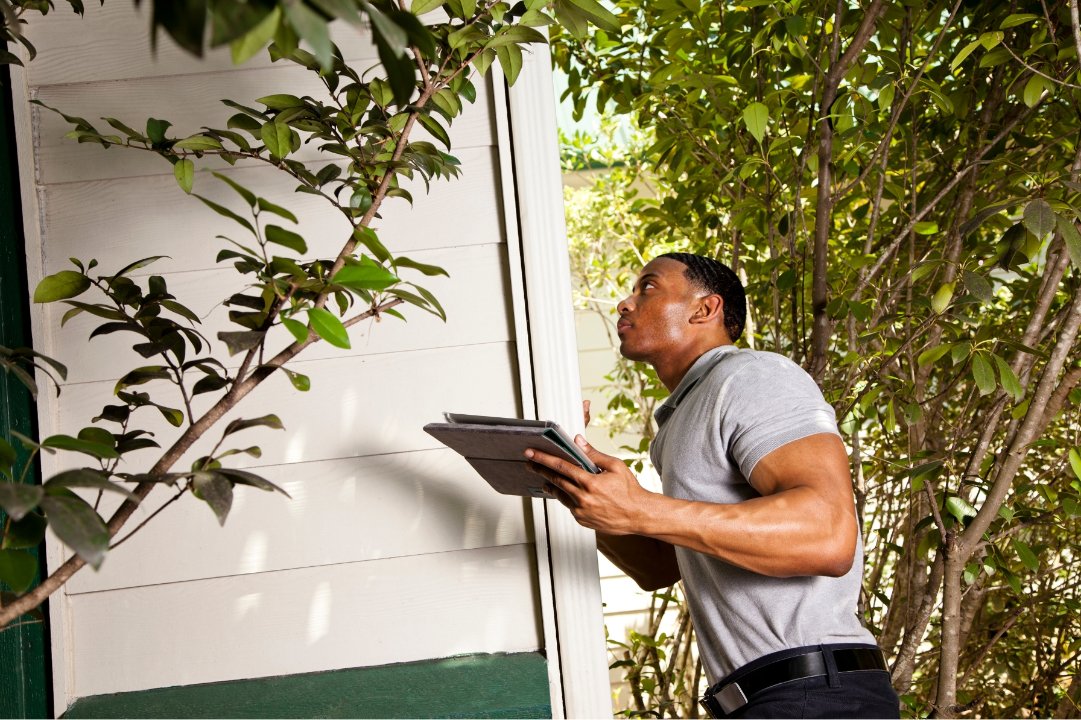
A CL-100, officially called a Wood Infestation Report, is an inspection performed by a licensed pest control professional in South Carolina. Its sole purpose is to document the presence of termites, wood-destroying beetles, carpenter ants, wood rot, fungal growth, or excess moisture—anything that could compromise the wooden structure of a home. While a general home inspection looks at the property from a broad perspective, the CL-100 zooms in on the foundation, crawl space, and framing to evaluate whether wood-destroying organisms have caused damage or created conditions that could lead to future problems.
If you’re financing a home, most lenders will require a CL-100 before they approve the loan. Even if you’re paying cash, it’s one of the smartest inspections you can invest in. Termite and moisture damage can stay hidden until they become costly repairs, and the CL-100 gives you an inside look at conditions you can’t easily see on your own.
Why the CL-100 Matters During a Home Purchase
The CL-100 isn’t just paperwork; it’s a protection tool. South Carolina’s humid climate and active termite population make wood-destroying organisms a real concern for homeowners. A CL-100 helps ensure the property is structurally sound, safe to live in, and free from active infestations.
Lenders rely on the report to confirm that no wood-destroying organisms threaten the integrity of the home. Buyers use it to negotiate repairs if problems are uncovered. Sellers use it to verify the home is in acceptable condition for closing. In short, it serves everyone involved in the transaction.
How to Read a CL-100 Report Without Getting Overwhelmed
The first time you look at a CL-100 report, it may feel technical or a little intimidating. But once you understand what each section means, it becomes much easier to interpret.
The report begins by confirming the property address, describing the type of foundation, and outlining which areas the inspector was able to access. Crawl spaces, basements, and lower-level framing are the primary focus, but inspectors also note areas they could not reach. If a portion of the home isn’t accessible, such as a sealed crawl space or an area blocked by stored items, the report will reflect that—and in some cases, lenders require that area to be inspected later.
Next, the inspector will address the presence of wood-destroying organisms. They must indicate whether activity is active, previous, or inactive, and specify which organisms were found. This section is crucial because active issues usually require treatment or repairs before the loan can close. Even indications of previous activity matter; while they may not require immediate repair, they help you understand the home’s history.
Moisture levels are another major component of the CL-100. The inspector takes moisture readings from the wood in the crawl space or lower framing. Numbers below 16 percent are considered normal, while readings that creep into the high teens or low twenties suggest conditions that could encourage fungal growth or decay. Readings above 20 percent are concerning and typically require corrective action. Because South Carolina’s climate naturally leans humid, many homes show elevated moisture levels at some point—but the report helps determine whether the situation is manageable or requires professional remediation.
The final portion of the CL-100 outlines any visible damage to the structure. This may include weakened joists, deteriorated sills, or areas where previous infestation or moisture has compromised the wood. The inspector will note recommended or required actions, which may include structural repairs, treatment for termites or beetles, installation of a vapor barrier, improvements to ventilation, or correcting drainage issues around the home’s exterior.
By the time you finish reviewing the report, you should have a clear picture of whether the home has active issues, whether there’s evidence of past damage, and what steps—if any—are needed before closing.
What to Do After You Receive Your CL-100
Once you have your CL-100 in hand, the next steps depend on what the report reveals. Your real estate agent is your first resource; they can help you understand the findings and determine whether repairs are needed, recommended, or simply optional for future maintenance.
If the report notes activity, moisture concerns, or structural issues, you’ll typically need quotes from qualified professionals. A pest control company may provide treatment estimates, while contractors or crawl-space specialists may be required to evaluate and repair moisture damage or compromised wood. Depending on your contract, repairs may be the seller’s responsibility, though buyers sometimes negotiate repairs or request closing credits instead.
If repairs are completed before closing—which is common when active infestation or moisture damage appears—the same pest control company that performed the original CL-100 will usually return for a re-inspection. Their follow-up confirms whether the issues were properly addressed and whether the home now qualifies for a “clear” CL-100, which is often a lender requirement.
Once everything is resolved, hold onto your CL-100 for future reference. It not only documents the home’s condition at the time of purchase but also gives you a benchmark for future termite inspections or moisture readings.
How to Protect Your Home Long-Term After the CL-100
Getting a clean CL-100 at closing is reassuring, but long-term protection is just as important—especially in a state where humidity and termites are a year-round reality. A few consistent habits can dramatically reduce your risk.
One of the best investments you can make is a termite bond or annual termite service. These programs typically include yearly inspections, treatments as needed, and sometimes repair guarantees. Whether your home has had previous termite issues or not, maintaining an annual service keeps problems from developing unnoticed.
Moisture control is equally important. Many CL-100 issues stem from elevated moisture in crawl spaces, so keeping this area dry can prevent fungal growth and wood decay. A vapor barrier, improved ventilation, and clean, functioning gutters make a big difference. In particularly damp areas, crawl-space encapsulation may be worth considering for more comprehensive moisture control.
Outdoor habits also matter. Storing firewood against the foundation, allowing mulch to pile up too high, or letting shrubs grow against the siding all provide hidden access points for termites and insects. Keeping vegetation trimmed back and maintaining airflow around the home’s perimeter can help prevent these concerns.
Lastly, commit to annual pest inspections. Even if your home shows no visible signs of activity, trained professionals can detect early indicators before they escalate into expensive repairs. A quick annual visit is a small price to pay for long-term peace of mind.
Final Thoughts
A CL-100 inspection is more than a formality—it’s a vital part of protecting your home investment. By understanding what the report covers, reviewing the findings carefully, taking appropriate action when needed, and maintaining preventative care after you move in, you’ll keep your home safe, sound, and well-protected for years to come.