
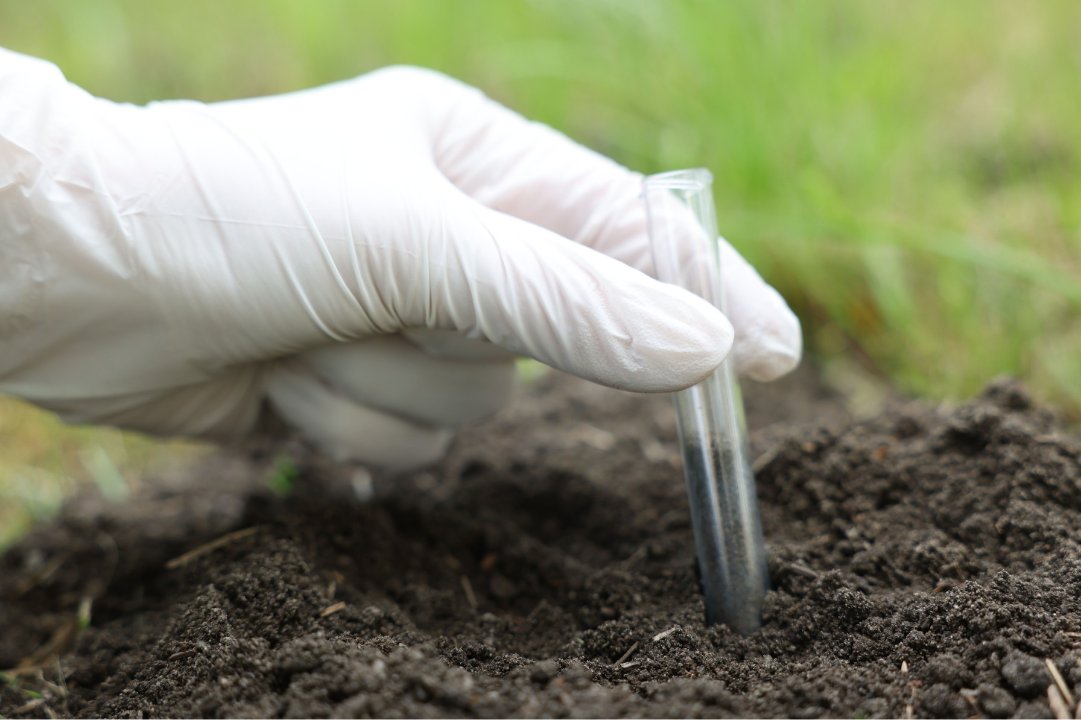
What to Know About Soil Tests and Perc Tests Before Buying or Building on Land
If you’re buying land or planning to build a home, you’ll almost certainly hear the terms soil test and perc test early in the process. For first-time buyers, these tests can feel confusing, interchangeable, or even unnecessary — until a project stalls or unexpected costs appear.
Understanding what soil tests and perc tests are, how they differ, and why they matter can protect you from purchasing land that can’t be built on or requires expensive workarounds. This guide breaks everything down clearly, so even if you’ve never dealt with raw land or construction before, you’ll know exactly what these tests are looking for and why they’re so important.
What Is a Soil Test?
A soil test for building evaluates whether the ground on a property can safely support a structure. This test focuses on the physical strength, stability, and composition of the soil, helping builders and engineers determine how a foundation should be designed.
Soil tests are commonly required before:
- Building a home or commercial structure
- Pouring a foundation or concrete slab
- Developing raw or undeveloped land
- Constructing retaining walls or driveways
What a Soil Test Looks For
A professional soil test typically analyzes:
- Soil composition (clay, sand, silt, or mixed soils)
- Load-bearing capacity
- Soil compaction
- Drainage behavior
- Moisture retention
- Risk of settling, shifting, or erosion
These factors directly impact how a structure performs over time. Soil that expands, compresses, or drains poorly can lead to foundation cracks, uneven floors, or long-term structural damage.
Why Soil Tests Matter
Two lots that look identical above ground can behave very differently below the surface. A soil test identifies issues before construction begins, allowing for:
- Proper foundation design
- Reduced construction delays
- Fewer unexpected costs
- Improved long-term stability
In short, a soil test helps answer the question: “Can this land safely support a building?”
What Is a Perc Test?
A perc test, short for percolation test, evaluates how quickly water moves through the soil. This test is specifically used to determine whether a property can support a septic system.
If a property is not connected to a public sewer system, a perc test for septic approval is typically required by the local health department.
What a Perc Test Looks For
A perc test measures:
- Soil absorption rate
- Drainage speed
- Water movement through soil layers
- Depth to the seasonal water table
During the test, holes are dug, filled with water, and monitored to see how long the water takes to drain. The results determine whether wastewater can be safely absorbed and filtered by the soil.
Why Perc Tests Are Important
Septic systems rely on soil to naturally treat wastewater. If water drains too slowly, waste can surface or pool. If it drains too quickly, contaminants may reach groundwater before being filtered.
A passing perc test confirms that:
- The property qualifies for a septic system
- Wastewater will disperse safely
- Local health and environmental standards are met
Without a successful perc test, a home cannot legally install a conventional septic system.
Soil Test vs. Perc Test: What’s the Difference?
Although both involve soil, these tests serve very different purposes.
| Soil Test | Perc Test |
|---|---|
| Evaluates soil strength and stability | Evaluates soil drainage |
| Used for building foundations | Used for septic approval |
| Focuses on structural safety | Focuses on wastewater absorption |
| Often ordered by builders or engineers | Often required by health departments |
A soil test answers: “Can I build here?”
A perc test answers: “Can this land support a septic system?”
Many properties — especially rural or undeveloped land — require both tests.
When Do You Need These Tests?
You may need a soil test if:
- You’re building a new home
- The land has never been developed
- Soil conditions are unknown or questionable
You may need a perc test if:
- The property is not connected to sewer
- You’re installing or replacing a septic system
- Local regulations require septic approval
Skipping either test can lead to major delays or unexpected costs.
What Happens If a Perc Test Fails?
A failed perc test doesn’t always mean land is unusable, but it does limit options. Possible alternatives include:
- Engineered or mound septic systems
- Aerobic treatment systems
- Soil amendments or regrading
These solutions often cost more and require additional permits, which is why understanding perc test results before buying land is critical.
How Much Do Soil Tests and Perc Tests Cost?
While costs vary by region, typical ranges include:
- Soil test cost for building: $300–$1,000+
- Perc test cost: $300–$800
- Engineered septic evaluations: $1,500–$5,000+
These costs are small compared to the expense of buying land that cannot be developed.
How Long Are Test Results Valid?
- Perc tests often expire after 2–5 years
- Soil test validity varies by jurisdiction
- Significant grading or drainage changes may invalidate prior results
Always confirm validity with local authorities before relying on older tests.
Common Buyer Mistakes to Avoid
First-time land buyers often run into trouble by:
- Skipping tests to save money
- Assuming nearby properties had similar results
- Not understanding conditional approvals
- Buying land before confirming septic feasibility
These mistakes can turn a promising property into a costly problem.
Frequently Asked Questions About Soil Tests and Perc Tests
Is a soil test the same as a perc test?
No. Soil tests focus on construction stability, while perc tests evaluate drainage for septic systems.
Do I need a perc test to buy land?
Not always, but it’s strongly recommended if the property is not connected to sewer.
Who performs these tests?
Soil tests are conducted by geotechnical professionals. Perc tests are often handled by licensed contractors or local health departments.
How long does a perc test take?
Most are completed in one day, with results issued shortly after.
What if a perc test fails?
Alternative septic systems may be possible, but typically at higher cost.
Helpful Internal Resource for Buyers
If land purchase is part of a larger move or relocation, many buyers overlook planning details that surface later. This Bluefield guide complements soil and perc test planning:
👉
What to Know Before Moving Out of State: The Hidden Details Most People Never Think About
Final Thoughts
Soil tests and perc tests aren’t just formalities — they protect buyers, builders, and the environment. Understanding these evaluations early helps ensure the land you’re buying is truly usable, safe, and worth the investment.
For anyone building or purchasing undeveloped property, these tests provide clarity, confidence, and peace of mind.