
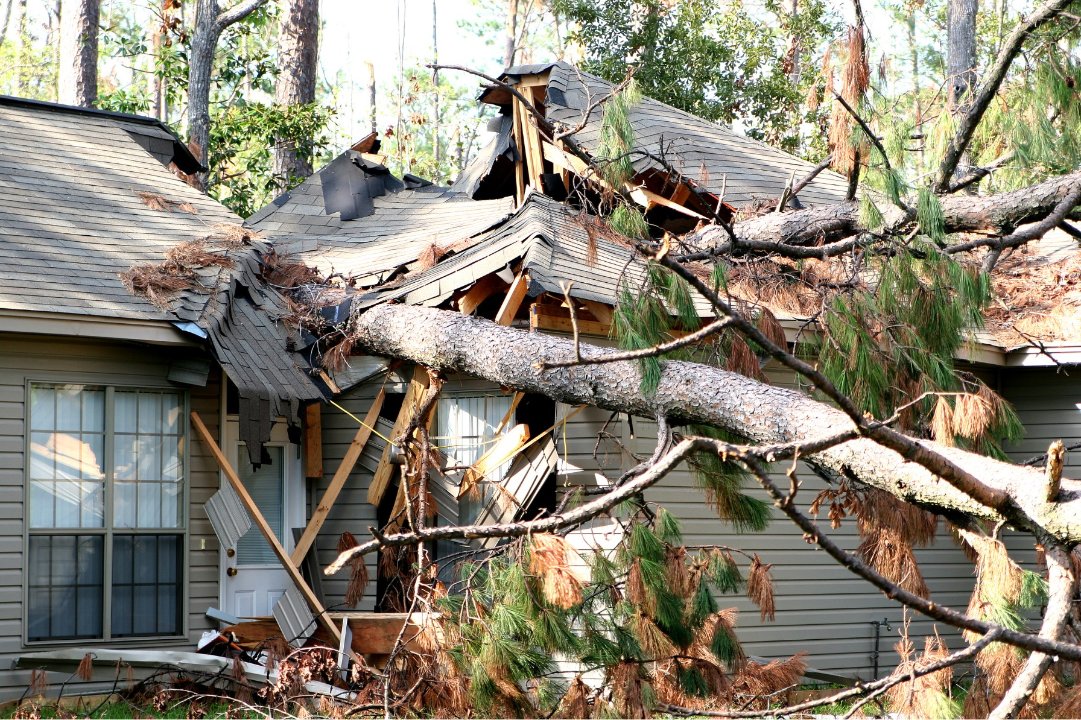
When Homeowners Insurance Will NOT Cover Damage
(And How to Avoid Costly, Preventable Surprises)
Homeowners insurance is meant to protect you from the unexpected. You pay your premium, something goes wrong, and insurance helps cover the loss — at least, that’s how most people think it works.
In reality, many homeowners discover after damage happens that their homeowners insurance won’t cover the repairs. This is especially common for first-time homeowners or anyone who hasn’t taken time to fully understand what their policy actually includes — and, more importantly, what it excludes.
This guide explains when homeowners insurance will NOT cover damage, using clear examples, real-world scenarios, and prevention tips so you can avoid denied claims and expensive surprises.
Why Homeowners Insurance Claims Get Denied Most Often
Before diving into specific exclusions, it helps to understand why claims are denied in the first place.
The most common reasons homeowners insurance claims are denied include:
- The damage happened gradually over time
- The issue existed before the policy started
- The damage was preventable with routine maintenance
- The policy specifically excludes that type of loss
- The damage requires a separate endorsement or policy
Understanding these patterns alone can prevent many claim denials.
What Homeowners Insurance Is Designed to Cover (In Simple Terms)
Most standard homeowners insurance policies are designed to cover sudden and accidental damage caused by specific events, often called “covered perils.”
These usually include:
- Fire or smoke
- Windstorms and hail
- Lightning
- Theft or vandalism
- Sudden plumbing failures
Insurance is not designed to cover predictable problems, long-term deterioration, or maintenance-related issues — which is where confusion often starts.
1. Wear and Tear or Poor Maintenance
Homeowners insurance does not cover damage caused by normal aging or lack of upkeep.
Common examples:
- A roof leaking because it’s past its useful life
- Rotting wood from years of moisture exposure
- Pipes failing due to corrosion
- Cracked siding from prolonged sun damage
Because these issues develop slowly and predictably, they’re considered the homeowner’s responsibility.
How to prevent problems: Stay ahead of routine maintenance, replace aging systems before failure, and keep records of repairs.
2. Flood Damage — Even After Heavy Rain
Flood damage is one of the most misunderstood homeowners insurance exclusions.
Standard homeowners insurance does not cover flood damage, including:
- Water entering from the ground up
- Overflowing creeks or rivers
- Storm surge
- Heavy rainfall that pools and enters the home
Flood coverage requires a separate policy, often through the National Flood Insurance Program or a private flood insurer.
Important note: Many homes outside high-risk flood zones still experience flooding.
3. Gradual or Long-Term Water Leaks
Insurance often covers sudden water damage — but not slow leaks that develop over time.
Examples:
- Mold behind walls from a slow drip
- Flooring damage from long-term seepage
- Water damage under a slab
Because these issues are considered preventable, they’re a common reason for denied claims.
Prevention tips: Check under sinks regularly, watch for stains or odors, and investigate unexplained increases in water bills.
4. Mold Damage (In Most Cases)
Mold coverage is limited and highly conditional.
Typically not covered:
- Mold caused by humidity
- Mold from long-term leaks
- Mold due to poor ventilation
Mold may only be covered if it directly results from a sudden, covered event — and even then, coverage is often capped.
5. Termite, Pest, and Rodent Damage
Homeowners insurance does not cover damage caused by insects, rodents, or animals.
This includes:
- Termites
- Carpenter ants
- Rats or mice chewing wiring
- Squirrels nesting in attics
Pest damage is considered preventable through inspections and routine pest control.
6. Earth Movement and Foundation Issues
Earth movement is broadly excluded from standard homeowners insurance.
This includes:
- Earthquakes
- Soil shifting or settling
- Sinkholes (in many policies)
- Foundation cracks caused by movement
Special endorsements or separate policies may be required for these risks.
7. Sewer Backup and Drain Failures
Sewer backups are not typically covered unless you add specific protection.
This includes:
- Sewer line backups
- Sump pump failures
- Floor drain overflows
A water backup endorsement is often inexpensive and provides meaningful protection.
8. Roof Damage That’s Cosmetic or Age-Related
Roof claims are commonly denied when damage is:
- Cosmetic only
- Related to roof age
- Due to poor maintenance
Some policies now exclude cosmetic hail damage entirely.
9. Poor Workmanship or Defective Materials
Insurance does not cover damage caused by:
- Faulty renovations
- Contractor mistakes
- Defective construction materials
These issues are usually addressed through warranties or legal remedies, not insurance.
10. Negligence or High-Risk Behavior
Claims may be denied if damage results from:
- Ignoring known problems
- Leaving a home vacant without proper coverage
- Illegal or intentional acts
Insurance expects homeowners to take reasonable steps to prevent damage.
Policy Language Homeowners Should Recognize
Certain phrases in your policy often signal exclusions or claim denials.
Common terms to watch for include:
- “Wear and tear”
- “Gradual damage”
- “Earth movement”
- “Neglect or failure to maintain”
- “Seepage or leakage over time”
Recognizing these terms can help set realistic expectations and guide coverage decisions.
Covered vs. Not Covered: Quick Comparison Table
| Situation | Covered by Standard Policy? | Notes |
|---|---|---|
| Fire or smoke damage | ✅ Yes | If sudden and accidental |
| Flood damage | ❌ No | Requires flood insurance |
| Slow plumbing leaks | ❌ No | Considered maintenance |
| Sewer backup | ❌ No | Add water backup endorsement |
| Termite damage | ❌ No | Preventable |
| Sudden pipe burst | ✅ Yes | If promptly addressed |
| Earthquake damage | ❌ No | Requires endorsement |
| Theft or vandalism | ✅ Yes | Subject to limits |
Before You File a Homeowners Insurance Claim
Before filing a claim, it’s worth taking a moment to evaluate the situation.
Ask yourself:
- Is the damage caused by a covered peril?
- Did the issue happen suddenly or over time?
- Is the repair cost higher than my deductible?
- Could filing a claim impact future premiums?
Sometimes paying out of pocket for smaller issues can be the smarter long-term move.
Frequently Asked Questions: Homeowners Insurance Coverage
What damage is not covered by homeowners insurance?
Homeowners insurance typically does not cover flood damage, wear and tear, mold from long-term leaks, pest damage, earth movement, sewer backups, or damage caused by poor maintenance.
Does homeowners insurance cover water damage?
Sudden water damage from a burst pipe is often covered. Slow leaks, groundwater intrusion, and flood-related water damage are usually not covered.
Why was my homeowners insurance claim denied?
Claims are commonly denied due to policy exclusions, gradual damage, lack of maintenance, or because the loss requires a separate endorsement or policy.
Can I add coverage for things homeowners insurance doesn’t cover?
Yes. Flood insurance, water backup endorsements, earthquake coverage, and scheduled personal property coverage can help close common gaps.
A Bluefield Perspective: Coverage Gaps Matter More Than You Think
Many homeowners don’t discover coverage gaps until they’re already facing a loss — and by then, options are limited.
Organizations like the National Association of Insurance Commissioners consistently emphasize that understanding exclusions is just as important as understanding coverage.
At Bluefield Realty Group, we believe insurance should work before something goes wrong. Reviewing your policy, identifying gaps, and adding the right endorsements can prevent thousands of dollars in unexpected costs.
Final Thoughts
Homeowners insurance is a powerful tool — when you understand its limits.
Knowing when homeowners insurance will NOT cover damage allows you to:
- Prevent avoidable losses
- Add protection where it matters
- Make smarter, more confident homeownership decisions
A little clarity today can save a lot of stress — and money — tomorrow.