
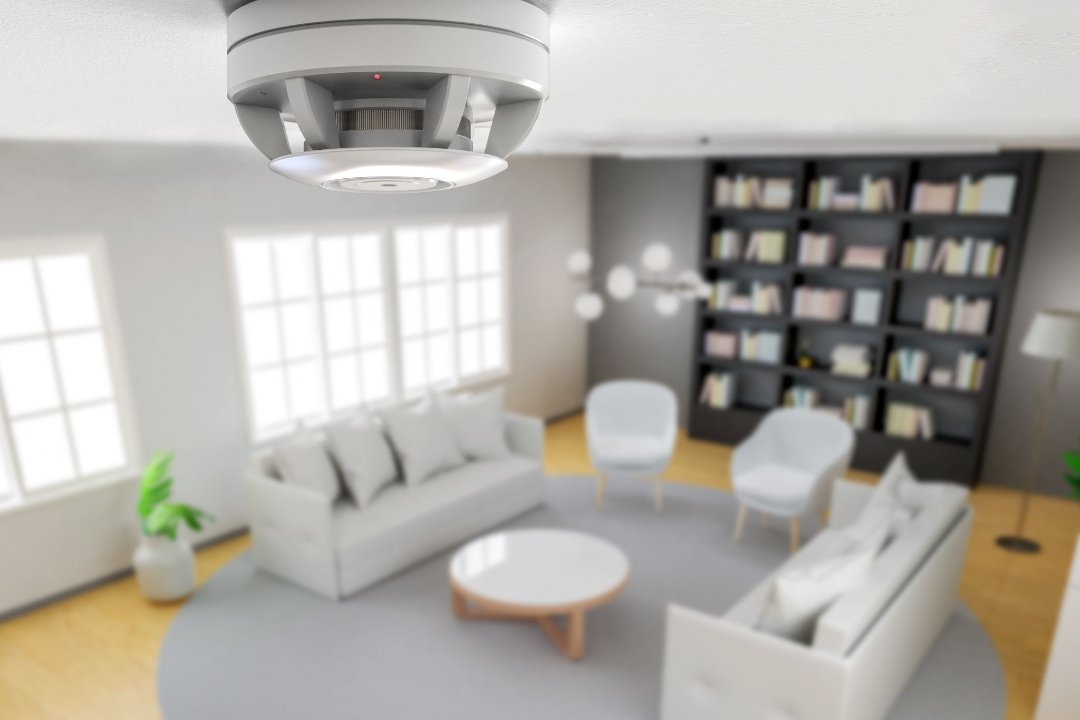
Are Carbon Monoxide Detectors Required? What Every Homeowner Should Know
Carbon monoxide is a dangerous household hazard because you cannot see it, smell it, or taste it. Unlike smoke or the distinctive odor added to natural gas, carbon monoxide can accumulate inside a home without obvious warning signs. That's why carbon monoxide detectors are an essential home safety feature.
Protecting your family involves more than locking doors and installing smoke alarms. Exploring the safest types of home security systems for families can help you identify additional ways to protect your property.
But are carbon monoxide detectors required by law? Do you need one if your home doesn't use gas? Where should they be installed?
Whether you're buying, renting, or maintaining a home, understanding carbon monoxide detector requirements can help keep your household safe.
What Is a Carbon Monoxide Detector?
A carbon monoxide detector, also called a CO alarm, is a device that monitors the air for dangerous levels of carbon monoxide gas and sounds an alarm when potentially hazardous concentrations are detected.
Carbon monoxide forms when fuels such as natural gas, propane, gasoline, charcoal, or wood burn incompletely.
Common sources include:
- Gas furnaces and water heaters
- Wood-burning fireplaces
- Gas stoves and ovens
- Vehicles running inside attached garages
- Portable generators
- Malfunctioning or improperly vented heating equipment
A poorly maintained furnace can create carbon monoxide hazards. Understanding how your home's HVAC system works can help you recognize maintenance needs and potential warning signs.
Carbon Monoxide Detector vs. Smoke Detector
Smoke detectors respond to smoke particles, while carbon monoxide detectors detect CO gas. Combination alarms can monitor both hazards.
Homeowners should understand the differences between these devices and the requirements for smoke detectors versus fire sprinkler systems.
Are Carbon Monoxide Detectors Required by Law?
Carbon monoxide detectors are required in certain residential properties, but requirements vary by state, local building codes, and property characteristics.
Many building codes require alarms in homes with fuel-burning appliances or attached garages. Requirements may also apply during new construction or qualifying renovations.
There is no single nationwide law requiring carbon monoxide detectors in every home.
Are Carbon Monoxide Detectors Required in South Carolina?
South Carolina's residential building code includes carbon monoxide alarm provisions for qualifying homes.
Under the applicable residential code, requirements generally address new homes containing fuel-fired appliances or attached garages. Certain permitted renovations to existing homes may also trigger alarm requirements.
However, older homes are not automatically subject to every requirement for newly constructed properties.
South Carolina homeowner tip: Contact your local building department to verify the current code, applicable amendments, and whether your property must have carbon monoxide alarms.
Do Rental Properties Need Carbon Monoxide Detectors?
Landlords should verify the requirements applicable to their rental properties, including building codes and any local ordinances.
Even when alarms are not specifically mandated, providing functioning detectors is a sensible safety precaution.
Do You Need a Carbon Monoxide Detector in an All-Electric Home?
Yes, installing one is still recommended.
Although all-electric homes may have fewer fuel-burning appliances, carbon monoxide can still enter through an attached garage or from generators operated too close to the building.
Fireplaces and nearby exhaust sources can create additional risks.
Bottom line: Not having gas appliances does not guarantee that your home is free from carbon monoxide hazards.
Where Should Carbon Monoxide Detectors Be Installed?
The National Fire Protection Association recommends installing CO alarms on every level of the home and outside each separate sleeping area.
| Home type | Recommended placement |
|---|---|
| One-story home | Near sleeping areas |
| Two-story home | On both floors and near bedrooms |
| Three-story home | On every level and near bedrooms |
| Multiple sleeping areas | Outside each separate sleeping area |
Additional alarms may be required by building codes. Always follow the manufacturer's installation instructions.
Homeowners can choose battery-powered, hardwired, plug-in, or smart alarms. Some smart models offer phone notifications and interconnected alerts. Exploring smart home upgrades that can improve resale appeal can help homeowners identify other useful improvements.
Why Is My Carbon Monoxide Detector Beeping?
Different sounds may indicate different conditions.
- Full alarm: Could indicate dangerous carbon monoxide levels.
- Occasional chirping: May indicate a low battery, malfunction, or expired detector.
- End-of-life warning: Means the detector needs replacement.
Sound patterns vary by manufacturer.
Important: Never assume a CO alarm is a false alarm. If it sounds, move everyone outside immediately and call 911 or the fire department. Do not reenter until emergency responders confirm it's safe.
How Often Should Carbon Monoxide Detectors Be Replaced?
Most carbon monoxide detectors have a manufacturer-specified lifespan, commonly between five and ten years.
To keep them working properly:
- Test alarms monthly.
- Replace batteries as directed.
- Check the manufacturer's expiration information.
- Replace detectors at the end of their service life.
- Never disconnect an alarm to silence an unexplained warning.
When purchasing a detector, look for a model listed to UL 2034, with features such as battery backup, end-of-life warnings, and interconnected alerts where appropriate.
How Can You Prevent Carbon Monoxide Poisoning?
Carbon monoxide detectors provide warnings, but prevention is equally important.
Have fuel-burning appliances inspected annually, maintain proper ventilation, and keep chimneys clear.
Never operate generators, charcoal grills, or gasoline-powered equipment inside your home or garage. The CDC recommends keeping portable generators at least 20 feet from windows, doors, and vents.
Never leave a vehicle running inside an attached garage, even with the door open.
Are Carbon Monoxide Detectors Required When Buying a Home?
Homebuyers should check for carbon monoxide detectors during their home inspection, particularly when the property contains fuel-burning appliances or an attached garage.
Reviewing the ultimate home inspection checklist for buyers can help identify other safety concerns before closing.
Ask your inspector whether detectors are present, properly positioned, and recommended for your home's layout.
Does Homeowners Insurance Require Carbon Monoxide Detectors?
Insurance requirements vary by company and policy. Some insurers evaluate home safety equipment during underwriting or inspections, while others may offer qualifying safety-device discounts.
Understanding why insurance companies inspect homes can help homeowners prepare for potential evaluations.
Ask your insurance agent whether detectors affect your policy requirements or eligibility for discounts.
The Bottom Line: Are Carbon Monoxide Detectors Worth It?
Absolutely. Carbon monoxide detectors are relatively inexpensive safety devices that provide an important warning against a potentially deadly household hazard.
Whether required by law or installed voluntarily, properly maintained detectors can help protect your household.
If you have questions about how home safety features relate to your insurance, contact Bluefield Insurance Group to review your homeowners insurance coverage and discuss available protection options.
Frequently Asked Questions About Carbon Monoxide Detectors
Can a smoke detector detect carbon monoxide?
No. Only dedicated carbon monoxide detectors or combination smoke/CO alarms can detect carbon monoxide.
Is one carbon monoxide detector enough?
Not always. Install alarms on every level and outside each separate sleeping area, following applicable codes and manufacturer instructions.
Can carbon monoxide poisoning happen while sleeping?
Yes. Carbon monoxide can accumulate while occupants sleep, potentially causing serious injury before they recognize symptoms.
Do older homes need carbon monoxide detectors?
Older homes can have carbon monoxide hazards even when they are not subject to every current new-construction requirement. Installing alarms is recommended regardless of the home's age.