
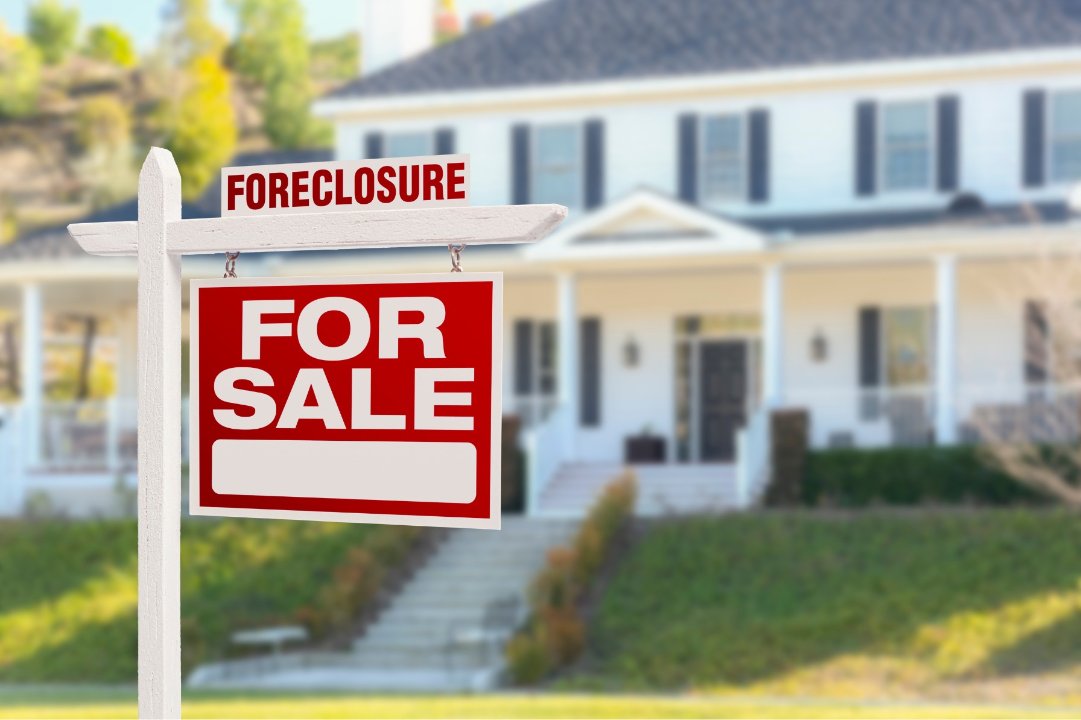
Avoiding Foreclosure Through a Loan Modification: A Complete Guide for Homeowners
Facing the possibility of foreclosure can be a stressful and overwhelming experience. If you're struggling to make your mortgage payments, you might be wondering if there’s any way to prevent foreclosure without losing your home. One potential solution is a loan modification. In this post, we’ll explain what a loan modification is, how it works, its pros and cons, and the step-by-step process involved so you can make an informed decision.
What is a Loan Modification?
A loan modification is a change made to the terms of your existing mortgage by your lender. The goal is to make your mortgage payments more affordable by adjusting one or more elements of your loan, such as the interest rate, loan term, or monthly payment amount. It’s an alternative to foreclosure, allowing you to keep your home while getting back on track with your payments.
Loan modifications are typically available for homeowners who are experiencing financial hardship, such as job loss, medical expenses, or other circumstances that prevent them from paying their mortgage. There are several types of loan modifications, including government-backed programs like the Home Affordable Modification Program (HAMP) and private modifications offered by lenders.
Why Should You Consider a Loan Modification?
There are several reasons why homeowners consider loan modifications, especially when facing the threat of foreclosure. Here are some of the main benefits:
- Lower Monthly Payments: By reducing your interest rate, extending the term of your loan, or changing your payment structure, a loan modification can help lower your monthly mortgage payments to a more affordable level.
- Avoid Foreclosure: A loan modification can prevent foreclosure by bringing your mortgage current and creating a more manageable payment plan.
- Improved Financial Stability: If you’ve experienced a temporary financial setback, a loan modification can help you stay in your home while you recover financially.
- No Need to Sell: Unlike selling your home through a short sale, a loan modification allows you to keep your property and avoid the hassle of moving.
The Pros of a Loan Modification
A loan modification can provide several advantages for homeowners facing financial difficulties. Let’s take a look at some of the key pros:
- Retain Homeownership: The most significant benefit is that you get to stay in your home and avoid foreclosure.
- Lower Payments: Depending on the modification, your monthly payments may decrease, making it easier to manage your finances.
- Flexible Options: Lenders may offer various modification options, such as reducing your interest rate, extending your loan term, or even forgiving a portion of the debt.
- Credit Impact: A loan modification may have less of an impact on your credit score than a foreclosure, allowing you to preserve your financial standing.
- Government Programs: There are government-backed mortgage modification programs that can help you if you qualify, often offering better terms than private lenders.
The Cons of a Loan Modification
While a loan modification can offer several benefits, it’s important to be aware of the potential downsides:
- Approval Not Guaranteed: Loan modifications aren’t always approved. Lenders will typically review your financial situation and may require detailed documentation.
- Temporary Solution: For some homeowners, a loan modification may only be a temporary fix if their underlying financial issues aren’t resolved.
- Possible Fees: While many modifications don’t require fees, some lenders may charge fees for processing the modification or updating your loan.
- Negative Impact on Credit: Although less damaging than foreclosure, a loan modification may still affect your credit score. You should weigh this factor if you plan to apply for other credit soon after the modification.
- Higher Payments Over Time: Extending the loan term can lower monthly payments, but you may end up paying more interest over the life of the loan.
The Loan Modification Process: Step-by-Step
Now that you know the basics of loan modification, let’s walk through the process so you understand exactly what you’ll need to do if you decide to move forward.
Step 1: Assess Your Financial Situation
Before reaching out to your lender, take a close look at your finances. Review your income, expenses, debts, and the reasons why you’re struggling to make payments. Lenders will want to see this information to assess whether you qualify for a modification.
Step 2: Contact Your Lender
Once you have your financial information ready, the next step is to contact your lender. Be prepared to explain your situation and inquire about the loan modification options available. You can typically start this process by calling the customer service number on your mortgage statement or visiting the lender’s website.
Step 3: Submit Documentation
Your lender will likely ask for a variety of documents to verify your financial hardship. These may include:
- Proof of income (e.g., pay stubs, tax returns)
- A statement explaining your financial hardship
- A list of monthly expenses
- A recent bank statement
Be sure to provide accurate and up-to-date information, as any discrepancies could delay or prevent your loan modification from being approved.
Step 4: Wait for a Decision
After you submit your documentation, your lender will review it to determine whether you qualify for a loan modification. This can take a few weeks to a few months, depending on your lender’s processing times. During this time, stay in contact with your lender to ensure the process is moving forward.
Step 5: Review the Offer
If your lender approves your loan modification, they will send you an offer outlining the new terms of your loan. It’s important to carefully review the offer and make sure you understand the changes. Look for the following details:
- New payment amount: Will your payment be lower? By how much?
- Interest rate: Has your interest rate been reduced, and how long will the reduction last?
- Loan term: Has your loan term been extended or shortened?
- Any fees: Are there any processing fees or costs associated with the modification?
If you’re satisfied with the terms, you can accept the offer and move forward.
Step 6: Sign the Agreement
Once you accept the loan modification offer, your lender will send you an official agreement to sign. Be sure to read the agreement carefully and seek legal advice if necessary. Once signed, your loan will be modified, and your new payment terms will begin.
Step 7: Stay on Track
After your loan modification is approved, it’s crucial to stay current with your new payments. Missing payments could lead to foreclosure or the loss of your modified terms.
Things to Keep in Mind
- Don’t Ignore Your Lender: If you’re having trouble making your mortgage payments, it’s important to contact your lender as soon as possible. Many lenders are willing to work with homeowners to find a solution.
- Explore Other Options: If a loan modification isn’t the right fit for you, consider other foreclosure alternatives, such as forbearance or a short sale. Learn more about Bluefield Mortgage and foreclosure solutions here.
- Get Professional Help: If you’re unsure whether a loan modification is right for you, consider consulting with a housing counselor or an attorney who specializes in mortgage issues. They can help guide you through the process.
Frequently Asked Questions About Loan Modifications
What is a loan modification?
A loan modification is a change made to the terms of your mortgage by your lender to make the payments more affordable. This may include adjusting the interest rate, extending the loan term, or lowering your monthly payments, depending on your financial situation and the terms of your loan.
To apply for a loan modification, you need to contact your lender and submit financial documents that demonstrate your hardship. This may include income statements, tax returns, and an explanation of why you're unable to make your mortgage payments. Once you submit your application, your lender will review your case and decide whether you're eligible for a modification.
Do I qualify for a loan modification?
Eligibility for a loan modification varies by lender but typically depends on factors such as your income, current mortgage status, the reason for your financial hardship, and whether you're already behind on payments. Some government programs, like the Home Affordable Modification Program (HAMP), may offer additional assistance to qualified homeowners.
How long does it take to get a loan modification?
The loan modification process can take anywhere from a few weeks to a few months, depending on your lender's processing times and the complexity of your case. It's important to stay in contact with your lender during this time to ensure your application is being reviewed.
Will a loan modification affect my credit score?
While a loan modification may have a slight impact on your credit score, it is typically less severe than a foreclosure. Lenders will often report a modified loan as “current,” but it’s important to note that your payment history during the modification process could still impact your credit score.
What are the benefits of a loan modification?
A loan modification can provide several benefits, including:
- Lower monthly payments
- Preventing foreclosure
- Improving financial stability during a hardship
- The ability to keep your home without needing to sell
What are the drawbacks of a loan modification?
Some potential drawbacks of a loan modification include:
- It’s not guaranteed to be approved
- It could have a minor impact on your credit score
- It may not solve your long-term financial problems if you don’t resolve the underlying issues
- Some lenders may charge fees or add missed payments to the loan balance, which could result in a higher overall loan amount
Can I apply for a loan modification if I’m not behind on payments?
Yes, you can apply for a loan modification if you’re facing financial hardship, even if you're not currently behind on payments. However, many lenders are more likely to offer modifications to homeowners who have already missed payments or are facing the threat of foreclosure.
What happens if my loan modification application is denied?
If your loan modification application is denied, your lender may suggest alternative options, such as forbearance, refinancing, or a short sale. If you're denied, it’s important to ask your lender why and explore other solutions that could help you avoid foreclosure.
How can I improve my chances of getting approved for a loan modification?
To improve your chances of getting approved, make sure to:
- Submit all required documents accurately and on time
- Provide a clear explanation of your financial hardship
- Stay in contact with your lender throughout the process
- Work with a housing counselor or financial advisor for expert advice
Conclusion
A loan modification can be a powerful tool for avoiding foreclosure and staying in your home. By lowering your monthly payments and making your mortgage more affordable, it can provide much-needed relief during difficult financial times. However, it’s important to fully understand the process, the pros and cons, and your eligibility before making a decision. If you believe a loan modification could be the right solution, take the necessary steps to contact your lender, gather your documents, and carefully review any offers you receive.
Remember, foreclosure prevention is possible, and a loan modification could be your first step toward regaining financial stability.