
Do You Really Need Earthquake Insurance in the Carolinas?
When most people think about earthquakes, they picture California fault lines—not North Carolina or South Carolina. Because earthquakes aren’t a daily concern in the Carolinas, many homeowners assume earthquake insurance isn’t necessary. But assumptions don’t always align with risk, especially when it comes to insurance coverage.
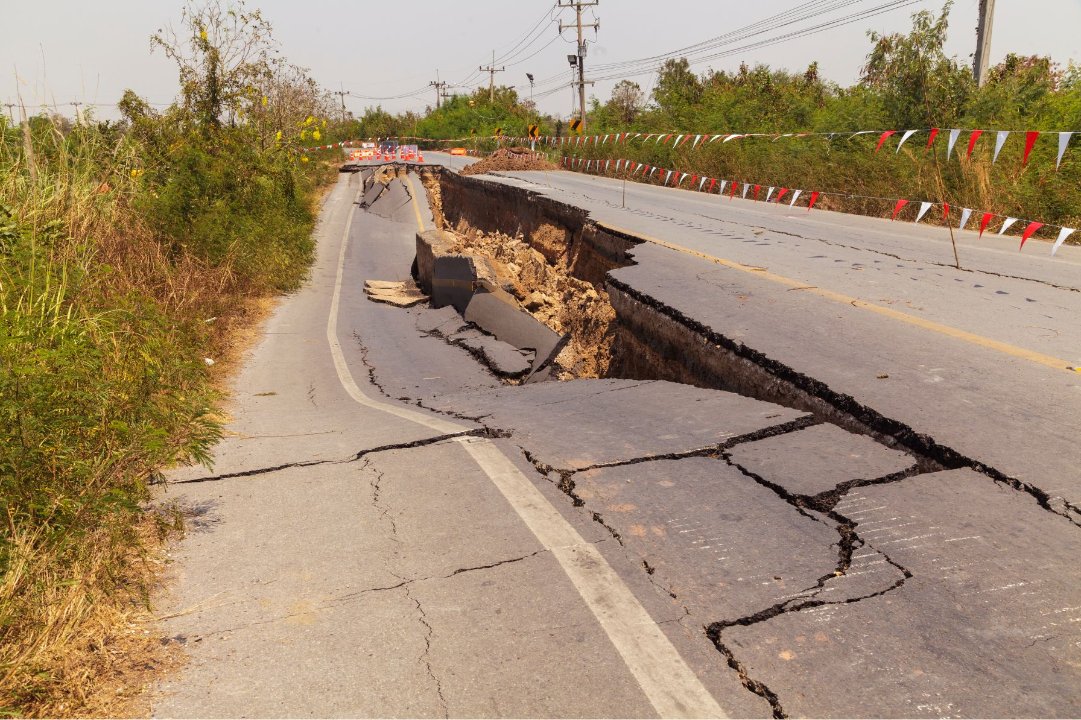
While seismic activity is less frequent in the Carolinas than on the West Coast, it does occur. History shows that when earthquakes happen here, they can still cause meaningful damage. The real question isn’t whether earthquakes are common, but whether your home and finances are protected if one does occur.
This guide explains whether earthquake insurance makes sense for homeowners in North Carolina and South Carolina, what earthquake insurance actually covers, and how to decide if it’s worth including in your overall insurance strategy.
Earthquakes in North Carolina and South Carolina: What Homeowners Should Know
The Carolinas may not sit on major fault lines like California, but they are not earthquake-free. The largest earthquake ever recorded on the East Coast occurred near Charleston, South Carolina in 1886, damaging buildings hundreds of miles away.
According to data from the U.S. Geological Survey, the Carolinas experience periodic seismic activity, including historically significant earthquakes in South Carolina. Today, both North Carolina and South Carolina experience small to moderate earthquakes each year. While most are minor, even moderate ground movement can crack foundations, damage brick exteriors, and shift structural components—especially in older homes.
From an insurance perspective, the concern isn’t frequency. It’s financial exposure.
Does Homeowners Insurance Cover Earthquakes?
A common—and costly—misunderstanding is assuming homeowners insurance covers earthquake damage. In most cases, it does not.
Standard homeowners insurance policies typically exclude damage caused by:
- Ground shaking
- Earth movement
- Foundation shifting or cracking related to seismic activity
Without a separate earthquake insurance policy or endorsement, those repairs would be entirely out of pocket.
What Does Earthquake Insurance Actually Cover?
Earthquake insurance coverage is designed specifically to address damage caused by seismic events. While policies vary, most include the following components:
Dwelling Coverage
Covers structural damage to your home, including:
- Foundation cracks
- Load-bearing walls
- Roof damage from shifting
- Attached structures like garages and chimneys
This is often the most valuable part of earthquake insurance for homeowners in the Carolinas.
Personal Property Coverage
Helps cover belongings damaged during an earthquake, such as:
- Furniture
- Appliances
- Electronics
- Clothing and household items
Coverage limits and deductibles differ from homeowners insurance and should be reviewed carefully.
Loss of Use Coverage
If earthquake damage makes your home unlivable, this coverage helps pay for temporary housing and additional living expenses while repairs are completed.
Earthquake Insurance vs. No Coverage: A Side-by-Side Comparison
| Scenario | With Earthquake Insurance | Without Earthquake Insurance |
|---|---|---|
| Structural damage to foundation | Covered (after deductible) | 100% out-of-pocket |
| Cracked walls or chimney damage | Covered | Not covered |
| Personal property damage | Covered (limits apply) | Not covered |
| Temporary housing costs | Covered | Out-of-pocket |
| Financial risk exposure | Limited | Potentially severe |
| Peace of mind | High | Low |
This table highlights why earthquake insurance is considered catastrophic coverage—it’s not meant for minor damage, but for protecting against major financial loss.
How Much Does Earthquake Insurance Cost in the Carolinas?
Earthquake insurance cost in North Carolina and South Carolina is typically lower than in high-risk states. Premiums depend on:
- Age and construction of the home
- Foundation type
- Location relative to seismic zones
- Coverage limits and deductible percentage
Many homeowners are surprised to learn that earthquake insurance premiums in the Carolinas can be relatively affordable compared to the potential cost of uninsured damage.
Why Are Earthquake Insurance Deductibles Higher?
Earthquake insurance deductibles are usually percentage-based rather than flat dollar amounts. For example, a 10% deductible on a $350,000 home means the homeowner is responsible for the first $35,000 in damage.
This structure keeps premiums lower and positions earthquake insurance as protection against severe, not minor, damage.
Is Earthquake Insurance Required in North Carolina or South Carolina?
No. Earthquake insurance is not required by law, and most mortgage lenders in the Carolinas do not require it.
However, insurance decisions shouldn’t be based solely on lender requirements. Coverage is about protecting your financial stability—not just satisfying loan guidelines.
When Earthquake Insurance Makes Sense in the Carolinas
Earthquake insurance may be worth considering if:
- Your home is older or built before modern codes
- You have a brick exterior or masonry foundation
- You live near historically active seismic areas
- You would struggle to cover major repairs out of pocket
In these cases, earthquake insurance provides financial protection against low-frequency, high-impact events.
Reviewing Your Coverage Options
Earthquake insurance can be added as an endorsement or purchased as a standalone policy, depending on your insurer. If you’re already reviewing your insurance coverage, this is a good time to make sure you fully understand what risks are excluded from your homeowners policy.
For homeowners who want a clearer picture of how earthquake insurance fits into their overall protection strategy, Bluefield’s insurance team provides educational guidance and coverage reviews without pressure or obligation. You can explore how their insurance program works here.
Final Thoughts: Is Earthquake Insurance Worth It?
Earthquake insurance in the Carolinas isn’t about expecting the worst—it’s about being financially prepared. While earthquakes aren’t common, the cost of being uninsured when one happens can be substantial.
For many homeowners in North Carolina and South Carolina, earthquake insurance offers peace of mind at a reasonable cost. The right choice comes down to understanding your risk, your home, and your financial comfort level.