
Flood Insurance Explained: NFIP vs. Private-Market Policies (A Beginner’s Guide)
Who This Guide Is For
This guide is designed for first-time homebuyers, homeowners who have never purchased flood insurance, and anyone comparing NFIP vs. private flood insurance for the first time. If you’re navigating lender requirements, buying in a mapped flood zone, or simply want to understand your options before the next storm season, this breakdown is for you.
If you’ve never purchased flood insurance before, you’re not alone. Many homeowners are surprised to learn that standard homeowners insurance does not cover flood damage. Flood insurance is a separate policy—and understanding it before you need it can protect you from devastating financial loss.
This guide clearly explains the two main options available today—NFIP flood insurance and private-market flood insurance policies—so you can confidently decide which makes the most sense for your home, your budget, and your mortgage requirements.
What Is Flood Insurance (and Why It Matters)
Flood insurance covers damage caused by rising or pooling water, including:
- Heavy rainfall
- Storm surge
- Overflowing rivers or streams
- Rapid snowmelt
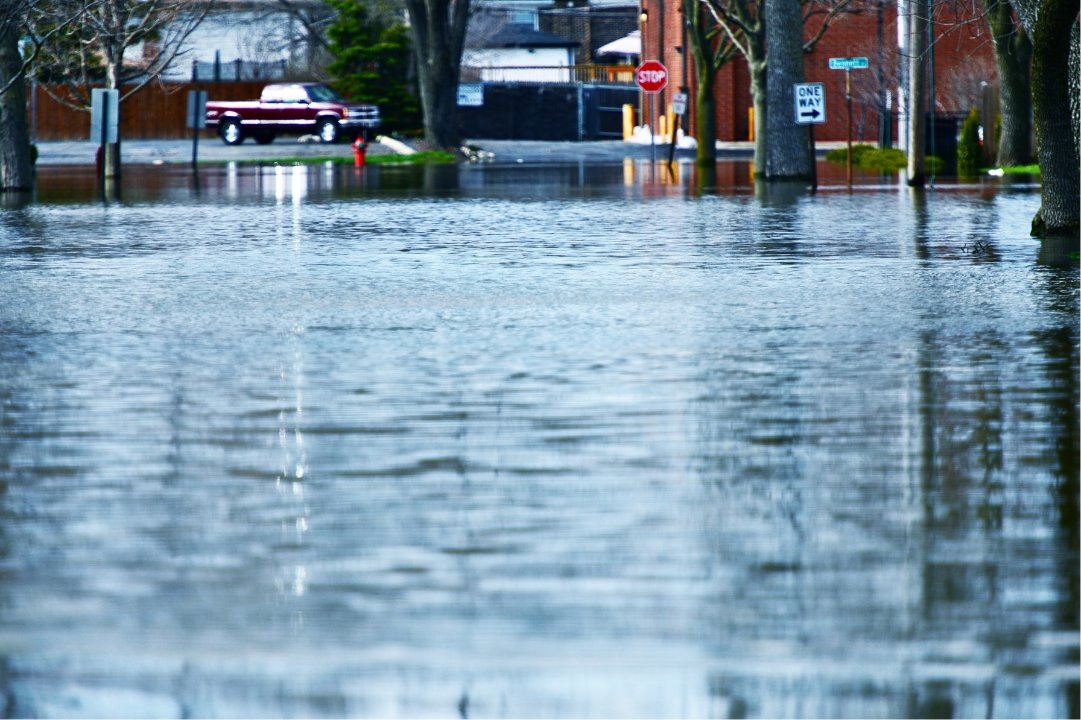
Even a small amount of floodwater can cause major damage. Just one inch of water can cause tens of thousands of dollars in repairs, and flooding remains the most common natural disaster in the U.S.
Because flood damage is excluded from homeowners policies, flood insurance is often the only way to protect your home and belongings from this type of loss.
What Is NFIP Flood Insurance?
The National Flood Insurance Program (NFIP) is a government-backed program administered by Federal Emergency Management Agency. It was created to make flood insurance available in communities where private coverage was historically limited.
How NFIP Flood Insurance Works
- Available only in participating communities
- Coverage terms are standardized nationwide
- Premiums are largely based on flood zone, elevation, and structure type
- Policies are backed by the federal government
NFIP Coverage Limits
One of the most important things first-time buyers need to understand is that NFIP coverage is capped:
- Up to $250,000 for the structure
- Up to $100,000 for personal belongings
For higher-value homes, these limits may leave coverage gaps.
NFIP Waiting Period
Most NFIP policies include a 30-day waiting period, meaning coverage does not begin immediately. This can affect real estate closings and last-minute coverage decisions.
What Is Private Flood Insurance?
Private flood insurance is issued by insurance companies outside the federal program. Over the past several years, private-market flood insurance has expanded significantly and now offers strong alternatives to NFIP policies.
How Private Flood Insurance Works
- Issued by private insurance carriers
- Coverage terms are customizable
- Pricing often uses advanced flood-risk modeling
- Policies can be tailored to higher-value or unique homes
Private Flood Insurance Coverage Options
Private flood insurance often includes:
- Higher coverage limits than NFIP
- Replacement-cost coverage (instead of actual cash value)
- Additional living expenses if your home is uninhabitable
- Shorter waiting periods (often 7–15 days)
For homeowners seeking flexibility or broader protection, private flood insurance can be an excellent option.
NFIP vs. Private Flood Insurance: At-a-Glance Comparison
| Feature | NFIP Flood Insurance | Private Flood Insurance |
|---|---|---|
| Administered by | FEMA | Private insurers |
| Maximum building coverage | $250,000 | Often much higher |
| Typical waiting period | ~30 days | 7–15 days |
| Replacement cost coverage | Limited | Common |
| Policy flexibility | Standardized | Customizable |
| Lender acceptance | Always accepted | Accepted if guidelines are met |
This comparison is one of the clearest ways to understand the difference between NFIP and private flood insurance, especially for first-time buyers.
Is Flood Insurance Required?
Flood insurance is required by lenders if:
- The property is in a high-risk flood zone (such as AE or VE), and
- The mortgage is federally backed (FHA, VA, USDA, or most conventional loans)
Understanding how flood insurance fits into mortgage approval is critical. Our previous blog post on how insurance requirements can impact your mortgage timeline explains how coverage decisions—especially flood insurance—can affect underwriting, escrow setup, and even closing delays.
Even when flood insurance isn’t required, many homeowners still choose coverage. A significant percentage of flood claims occur outside high-risk flood zones.
Understanding Flood Zones (Without the Jargon)
Flood zones are determined using FEMA flood maps, which estimate flood risk based on historical data and elevation—not future weather predictions.
- High-risk zones: Insurance usually required
- Moderate- to low-risk zones: Insurance optional but recommended
- Outside flood zones: Flooding can still occur
Flood zone maps are a starting point—not a guarantee that flooding won’t happen.
How Much Does Flood Insurance Cost?
Flood insurance premiums vary based on:
- Flood zone designation
- Home elevation and foundation
- Replacement cost of the structure
- Deductible selection
- NFIP vs private flood insurance choice
Many homeowners are surprised to learn that private flood insurance can sometimes be cheaper than NFIP, especially for newer homes or properties outside high-risk zones.
Choosing the Right Flood Insurance Policy
If you’re purchasing flood insurance for the first time, consider:
- Does my lender allow private flood insurance?
- Does my home exceed NFIP coverage limits?
- How quickly do I need coverage to start?
- Do I want replacement-cost coverage?
- Am I planning renovations or additions?
Flood insurance decisions often overlap with homeowners insurance and mortgage requirements. Reviewing these together helps prevent coverage gaps and closing delays.
Expert Insight
Insurance professionals often recommend reviewing flood insurance early in the home-buying process—not after inspections or appraisals. NFIP waiting periods and lender documentation requirements can impact closing timelines if addressed too late.
Frequently Asked Questions About Flood Insurance
Is private flood insurance better than NFIP?
It depends on your property and coverage needs. Private flood insurance offers flexibility, while NFIP provides standardized protection.
Can I switch from NFIP to private flood insurance?
Yes. Many homeowners switch once a private policy meets lender guidelines.
Does private flood insurance meet mortgage requirements?
In most cases, yes—if the policy complies with federal lending rules.
Is flood insurance worth it outside a flood zone?
Yes. Many flood claims come from homes outside mapped high-risk areas.
Does flood insurance cover basements?
Coverage varies. NFIP has limitations, while private policies may offer broader basement protection.
Sources & References
- Federal Emergency Management Agency (FEMA) – Flood mapping and NFIP administration
- National Flood Insurance Program – Coverage limits and policy rules
- Consumer Financial Protection Bureau – Flood insurance and mortgage requirements
- Insurance Information Institute – Flood risk statistics and consumer guidance
Final Thoughts
Flood insurance doesn’t have to be overwhelming. By understanding the difference between NFIP flood insurance and private-market flood insurance, you can choose coverage that protects both your home and your financial future.
Whether flood insurance is required or optional, making an informed decision early—and understanding how it fits into your broader mortgage and insurance strategy—can prevent costly surprises later.
This article is for educational purposes only. Flood insurance availability, pricing, and requirements vary by location and lender.