What Happens If Your Home Is Underinsured?
As a homeowner, ensuring that your property is properly insured is crucial. While many people focus on keeping their insurance premiums as low as possible, the reality is that underinsurance can have devastating consequences when the unexpected happens. From fire damage to natural disasters, being underinsured means you might not be able to fully recover after a loss. But what exactly does it mean to be underinsured, and how can it affect you in the event of a claim?
In this post, we’ll take a deep dive into what happens if your home is underinsured, using real-life examples and offering actionable tips to avoid this costly mistake. Whether you’re new to homeownership or reviewing your current policy, understanding the risks of underinsurance is essential to protecting your home and financial future.
What Is Underinsurance?
Underinsurance occurs when your home’s insurance policy doesn’t cover the total cost of repairing or rebuilding your home if it’s damaged or destroyed. This can happen for several reasons:
- Not accounting for inflation: Property values and construction costs often rise over time, but many homeowners forget to update their coverage to reflect these increases.
- Misunderstanding coverage limits: Some people opt for the minimum coverage required by their mortgage lender, which might not fully cover the true cost of rebuilding.
- Overestimating property value: Some homeowners may think their property is worth more than it actually is, leading to insufficient coverage in the event of a claim.
For example, if your home is valued at $300,000 but your insurance only covers $200,000, you're underinsured by $100,000. This gap can result in you paying out of pocket for repairs or even facing financial ruin if a major disaster strikes.
The Consequences of Underinsurance
1. Out-of-Pocket Costs for Repairs
The most obvious risk of underinsurance is having to pay for the difference between your coverage limit and the actual cost of repairs. If a fire destroys a significant portion of your home, and your insurance policy covers only a fraction of the repair costs, you’ll be left with a huge financial burden. Let’s say it costs $300,000 to rebuild your home after a fire, but your policy only covers $150,000. The remaining $150,000 would have to come out of your own pocket.
This situation could easily force homeowners to take out loans or drain their savings to cover the expenses, leaving them financially strained.
2. Delayed or Denied Claims
If your home is underinsured, your insurance provider may offer you less than what you need, which could delay the claim process. Insurance companies often adjust payout amounts based on your coverage limits and the actual cost of the repairs. If the difference between your coverage and the cost to repair your home is too large, they may deny certain claims or ask you to provide additional documentation.
For instance, if you have a roof that was damaged in a storm but is only partially covered by your policy, the insurer might only pay a fraction of the cost, leaving you to deal with a damaged roof and a delayed claim.
3. Limited Coverage for Personal Belongings
While underinsurance often refers to the structure of your home, it can also apply to your personal belongings. Many people only insure their home’s structure and don’t realize that their personal property, such as furniture, electronics, and jewelry, is also vulnerable if the coverage limits are too low.
For example, if a water leak damages your kitchen, and your insurance covers only $20,000 in personal property loss but your belongings are worth $50,000, you’ll be responsible for covering the difference. This means you’d have to replace your personal items out of your own pocket, which can be financially overwhelming.
4. Risk of Financial Ruin
If the cost to rebuild or repair your home after a major loss far exceeds your coverage limits, underinsurance can lead to financial ruin. The emotional and financial stress of dealing with a catastrophic event like a fire, flood, or hurricane can be overwhelming, but the added pressure of needing to come up with large sums of money to make up the difference can lead to long-term financial struggles.
In cases where the damage is substantial, such as a natural disaster or a house fire, you could face years of debt repayment and financial hardship. Your home equity, which many rely on for future investments, could also take a major hit as a result of having to use it for repairs or covering underinsured losses.
Real-Life Example: The Consequences of Underinsurance
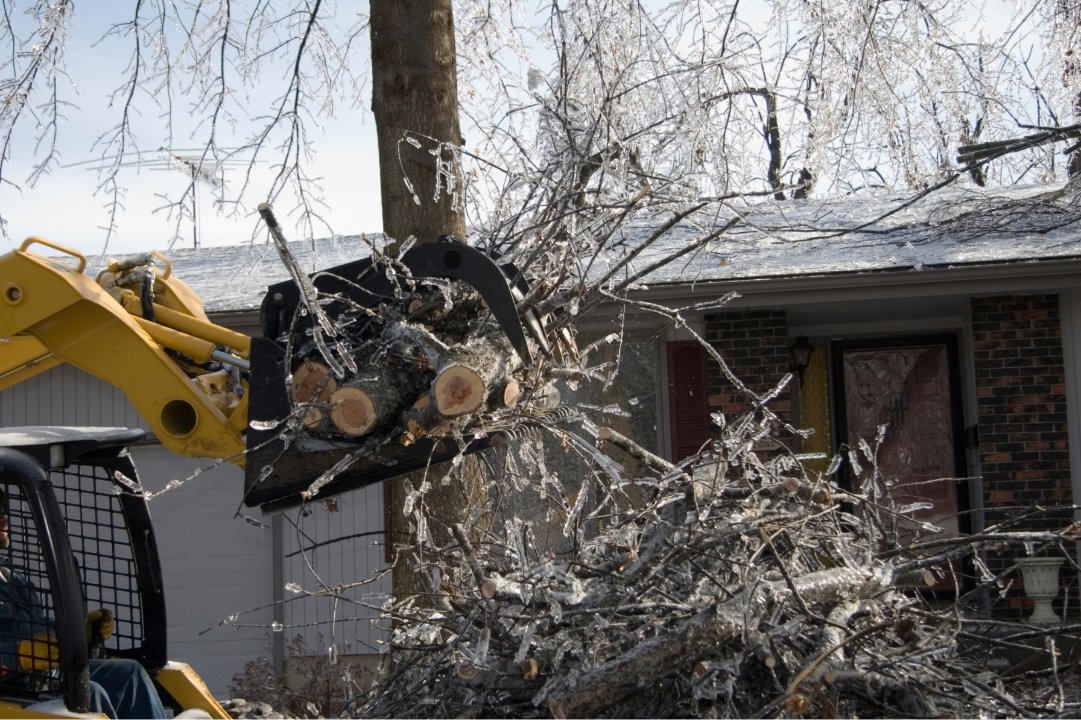
Let’s consider a scenario in which a homeowner named Sarah lives in a coastal area prone to hurricanes. She has a standard homeowners insurance policy, but she didn’t update her coverage limits after a recent increase in the cost of building materials and labor in her area. After a major hurricane hits, her home suffers significant roof and structural damage, totaling $200,000 in repairs. However, her insurance policy only covers $100,000.
Sarah finds herself in a difficult position. The $100,000 gap forces her to borrow money to pay for the remaining repairs, and she struggles to cover the costs of living while her home is being rebuilt. Worse, the emotional toll of having to pay out of pocket for the repairs leaves her financially burdened for years.
This scenario illustrates just how quickly underinsurance can lead to overwhelming consequences. Even though Sarah had insurance, it wasn’t enough to fully protect her from the financial burden of rebuilding her home after a disaster.
How to Avoid Underinsurance
To avoid the financial risks associated with underinsurance, here are some steps you can take:
- Review Your Coverage Regularly: Home values and construction costs change over time. Make it a habit to review your coverage annually to ensure it keeps pace with inflation and changes in property values.
- Consider Rebuilding Costs, Not Market Value: The market value of your home is often lower than the actual cost to rebuild. Make sure your insurance policy covers the full replacement cost, including labor, materials, and any potential upgrades required by building codes. Visit our Bluefield Insurance Group Solutions to learn how to choose the right coverage for your home.
- Get Professional Help: Consult with an insurance agent who can help you assess your home’s value and make sure your coverage is sufficient. They can also help you find a policy that’s tailored to your needs, whether that includes flood insurance or additional coverage for personal property.
- Increase Your Deductible: If you want to save on premiums but still avoid underinsurance, consider increasing your deductible. While this will mean more out-of-pocket expenses in the event of a claim, it can also help reduce your monthly premium while keeping your coverage intact.
- Add Endorsements for Specific Risks: If you live in an area prone to certain risks, such as earthquakes or floods, consider adding endorsements to your policy for specific perils that aren’t typically covered by a standard homeowners policy.
Conclusion: Protect Your Home and Peace of Mind
Being underinsured can put you at significant financial risk, especially in the event of major damage or disaster. The consequences of underinsurance include out-of-pocket repair costs, delayed claims, denied coverage for personal property, and potential financial ruin. To protect yourself, it’s important to review your coverage regularly, ensure your insurance policy reflects the actual replacement cost of your home, and consult with professionals when needed.
By taking these steps, you can safeguard your home and your financial future, giving you peace of mind knowing that you're properly insured in case the unexpected happens. Don't wait until it’s too late—ensure that your home is adequately covered today by visiting Bluefield Insurance Group.