
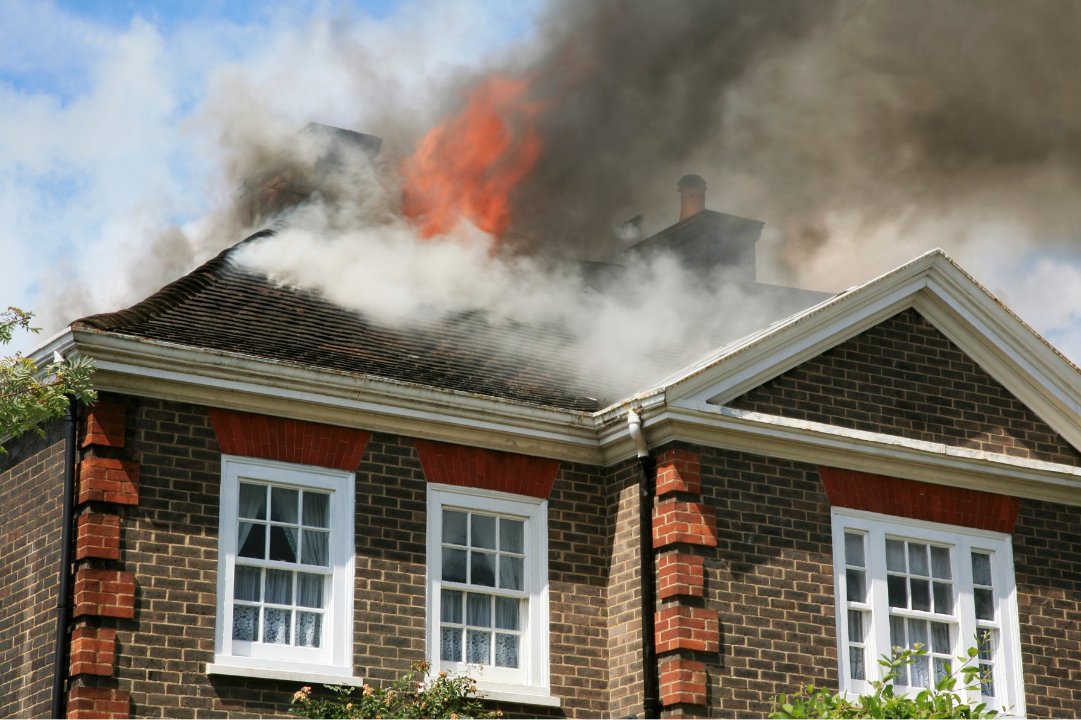
What Landlords Should Know About Dwelling-Fire (DP3) Policies
Becoming a landlord is an exciting step—but it also comes with responsibilities that many first-time property owners don’t fully anticipate. One of the most important (and often misunderstood) decisions you’ll make is choosing the right insurance policy for your rental property. If you’ve come across the term dwelling-fire (DP3) policy and aren’t quite sure what it means, you’re not alone.
This guide breaks down what a DP3 policy is, why it’s commonly used for rental properties, what it covers (and doesn’t), and how landlords can avoid costly insurance gaps. Whether you’re renting out your first home or adding to an investment portfolio, understanding DP3 insurance can help protect both your property and your cash flow.
What Is a Dwelling-Fire (DP3) Policy?
A dwelling-fire DP3 policy is a type of property insurance designed for non-owner-occupied homes. In simple terms, it’s insurance for properties you own but do not live in—most commonly rental homes, investment properties, or seasonal residences.
Unlike a traditional homeowners policy (often called an HO-3), a DP3 policy is built with landlords in mind. It assumes the property will be occupied by tenants, not the owner, and structures coverage accordingly.
DP3 policies are popular because they typically offer open-peril coverage on the dwelling, meaning the structure itself is protected against all causes of loss unless specifically excluded in the policy.
Why DP3 Policies Are Common for Landlords
Many new landlords are surprised to learn that a standard homeowners policy usually does not apply once a home becomes a rental. If a claim occurs while the property is tenant-occupied, coverage can be denied.
A DP3 landlord insurance policy solves this issue by accounting for the risks unique to rental properties, including:
- Tenant occupancy instead of owner occupancy
- Higher wear and tear on the property
- Loss of rental income after a covered claim
- Liability exposure related to tenants and guests
For landlords, DP3 insurance offers a balance of strong property coverage and flexibility, making it one of the most widely used policies in the rental market.
What Does a DP3 Policy Cover?
Understanding coverage is key—especially for landlords who are new to insurance terminology.
Dwelling Coverage
DP3 policies typically cover the physical structure of the rental home, including:
- Roof, walls, and foundation
- Built-in systems like HVAC and plumbing
- Attached structures such as garages
Most DP3 policies insure the dwelling on a replacement cost basis, meaning the insurance is intended to pay the cost to rebuild using similar materials—without depreciation.
Other Structures
Detached garages, sheds, or fences may be covered under a separate portion of the policy, usually at a percentage of the dwelling limit.
Loss of Rental Income
One of the most valuable features for landlords is loss of rent coverage. If a covered loss (like a fire or storm) makes the property uninhabitable, the policy can help replace lost rental income while repairs are made.
This is a critical safeguard for landlords who rely on rent to cover mortgages, taxes, or maintenance costs.
Liability Coverage
Many DP3 policies include landlord liability coverage, which can help protect you if a tenant or guest is injured on the property and you’re found legally responsible.
What a DP3 Policy Does Not Cover
Just as important as knowing what’s included is understanding what’s excluded.
Tenant Belongings
DP3 policies do not cover a tenant’s personal property. Tenants should carry their own renters insurance for furniture, clothing, and electronics.
Maintenance Issues
Wear and tear, neglect, and deferred maintenance are typically excluded. Insurance is designed for sudden and accidental losses—not long-term upkeep.
Certain Natural Disasters
Floods and earthquakes are usually excluded and require separate policies. Depending on the property’s location, landlords may need additional coverage.
DP3 vs. Other Insurance Options
New landlords often wonder how DP3 compares to other policies.
- DP1 or DP2 policies: These offer more limited, named-peril coverage and are often cheaper—but they leave more gaps.
- HO-3 policies: Designed for owner-occupied homes and typically not suitable once tenants move in.
- Commercial policies: Sometimes used for multi-unit or mixed-use properties but may be unnecessary for single-family rentals.
For most single-family rental homes, DP3 policies strike the best balance between cost and coverage.
How Much Does DP3 Insurance Cost?
The cost of a DP3 insurance policy varies, but common pricing factors include:
- Property location
- Age and condition of the home
- Replacement cost of the structure
- Deductible selection
- Whether liability and loss-of-rent coverage are included
On average, DP3 policies often cost more than homeowners insurance but less than full commercial coverage, reflecting the increased risk associated with tenant occupancy.
Common Mistakes New Landlords Make with DP3 Policies
Many first-time landlords run into trouble not because they lack insurance—but because they have the wrong insurance.
Common mistakes include:
- Keeping a homeowners policy after renting out the property
- Underinsuring the dwelling to save on premiums
- Skipping loss-of-rent coverage
- Assuming tenant damage is always covered
- Not reviewing exclusions before a claim occurs
Avoiding these pitfalls starts with understanding how DP3 policies actually work. Many landlords discover coverage gaps only after a claim is denied, which is why working with an insurance team that understands rental and investment properties—like the specialists at Bluefield Insurance Group—can help ensure your DP3 policy actually aligns with how the property is used.
When a DP3 Policy Makes the Most Sense
A DP3 landlord policy is typically a strong fit if:
- You own a single-family rental or small residential property
- The home is tenant-occupied or vacant between tenants
- You want replacement cost coverage on the structure
- Rental income is important to your monthly finances
If you plan to scale your portfolio or move into multi-unit properties, your insurance needs may evolve—but DP3 is often the starting point.
Why Reviewing Your Policy Matters Over Time
As rents increase, renovation costs rise, and property values change, your insurance should evolve as well. Landlords should review DP3 coverage regularly to ensure:
- Dwelling limits reflect current rebuild costs
- Loss-of-rent coverage matches actual rental income
- Liability limits align with personal risk tolerance
- Deductibles still make financial sense
Insurance isn’t a “set it and forget it” decision—especially for rental properties.
Final Thoughts: Insurance as a Landlord is a Tool, Not Just a Requirement
For new landlords, insurance can feel like just another box to check. But a well-structured dwelling-fire (DP3) policy is more than a requirement—it’s a financial safety net that protects your investment, your income, and your long-term plans.
When landlords understand what DP3 insurance covers, where the gaps are, and how it fits into a broader risk strategy, they’re far better positioned to weather unexpected setbacks and keep their rental business moving forward.