What to Know When Purchasing a Home in a FEMA Flood Zone
Purchasing a home is one of the biggest financial decisions you’ll ever make, and buying a property located in a FEMA flood zone can raise a lot of additional questions. Flood zones can impact insurance costs, mortgage approval, long-term affordability, and resale value, yet many buyers don’t fully understand what a flood zone designation actually means until they’re already under contract.
This guide explains what a FEMA flood zone is, what to know before buying a home in one, and the important details many buyers overlook—all in clear, practical language designed to help you make a confident decision.
What Is a FEMA Flood Zone?
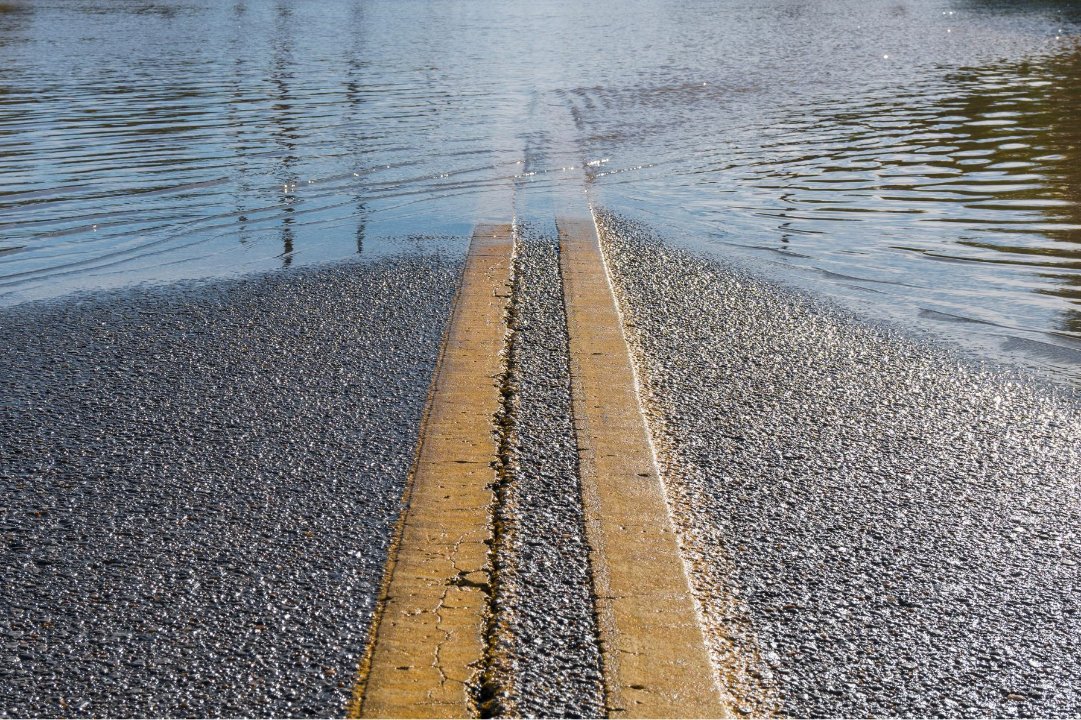
A FEMA flood zone is a geographic area identified by the Federal Emergency Management Agency to indicate a property’s risk of flooding. FEMA creates Flood Insurance Rate Maps (FIRMs) using historical flood data, elevation, rainfall patterns, and geographic features like rivers and coastlines.
Flood zones are risk classifications, not predictions. Being in a flood zone does not mean a home will flood—it means the property has a statistically higher chance of flooding compared to other areas.
Common FEMA Flood Zones You’ll See When Buying a Home
- Zone A / AE – High-risk areas with a 1% annual chance of flooding (often called the 100-year floodplain)
- Zone V / VE – Coastal high-risk areas subject to storm surge and wave action
- Zone X (Shaded) – Moderate-risk areas
- Zone X (Unshaded) – Low-risk areas
One important thing many buyers don’t realize is that flooding can still occur outside high-risk zones, which is why flood awareness matters even if insurance isn’t required.
Why FEMA Flood Zones Matter When Buying a Home
Flood zones affect far more than just whether a property “might flood.” They play a role in:
- Mortgage approval and lender requirements
- Flood insurance availability and cost
- Monthly housing expenses
- Long-term maintenance planning
- Future resale and buyer perception
If you’re financing the home, your lender will order a flood zone determination. If the property is in a high-risk FEMA flood zone, flood insurance is usually mandatory.
Flood Insurance: What Buyers Often Don’t Know
Flood insurance is one of the most misunderstood aspects of buying a home in a FEMA flood zone. Standard homeowners insurance does not cover flood damage, which is why a separate policy is required.
Most flood policies are issued through the National Flood Insurance Program (NFIP) or private flood insurers.
Key Flood Insurance Facts Buyers Miss
- Flood insurance is separate from homeowners insurance
- Coverage limits may not equal full replacement cost
- Premiums are based on risk rating, elevation, and flood history, not just home value
- Flood insurance requirements usually last for the life of the mortgage
Flood insurance costs can vary widely. Two homes in the same flood zone can have very different premiums depending on elevation and construction details.
Elevation Certificates: One of the Most Overlooked Documents
An elevation certificate shows how high a home sits relative to the base flood elevation. This document can have a major impact on flood insurance pricing.
Homes built above the base flood elevation often qualify for significantly lower premiums—even if they’re in a high-risk flood zone. Some sellers already have elevation certificates, but many buyers don’t think to ask for them until after closing.
Reviewing this document before purchasing can help you better estimate long-term costs.
Financing a Home in a FEMA Flood Zone
Flood zones don’t just affect insurance—they also affect financing.
Most lenders require:
- Proof of flood insurance before closing
- Continuous flood coverage while the loan is active
- Updated flood certifications if FEMA maps change
If flood insurance lapses, lenders may impose force-placed insurance, which is typically much more expensive and offers limited protection.
Loan types such as FHA, VA, and conventional mortgages all follow flood zone rules, so understanding requirements early helps avoid delays.
Important Questions Buyers Often Forget to Ask
Has the Home Ever Flooded?
A home can be in a FEMA flood zone without ever flooding—and some homes outside flood zones have flooded multiple times. Ask about:
- Seller flood disclosures
- Prior flood insurance claims
- Repairs related to water damage
Has the Flood Zone Classification Changed?
FEMA flood maps are updated periodically. Changes in development, drainage, or environmental conditions can shift flood zone boundaries, which may affect insurance requirements in the future.
How Will This Affect Resale?
Flood zone homes can resell well, especially in coastal or waterfront areas, but buyers are more cautious. Homes with documented mitigation efforts and manageable insurance costs tend to attract stronger offers.
Living in a FEMA Flood Zone: Practical Ownership Considerations
Living in a flood zone doesn’t automatically mean higher stress—but it does require preparation.
Many homeowners in flood zones:
- Elevate HVAC systems and utilities
- Install flood vents or water-resistant materials
- Keep digital inventories of belongings
- Understand local evacuation routes and emergency alerts
Modern building standards have improved flood resilience, and many newer homes are designed specifically to handle flood risk.
Can You Challenge a FEMA Flood Zone Designation?
In some cases, yes. If you believe a property has been incorrectly classified, you may be able to request a Letter of Map Amendment (LOMA) or Letter of Map Revision (LOMR) from FEMA. This process typically requires an elevation certificate and professional documentation.
While not guaranteed, a successful amendment can potentially remove mandatory flood insurance requirements.
FEMA Flood Zone vs. Non-Flood Zone: A Quick Comparison
| Factor | FEMA Flood Zone (A, AE, V, VE) | Non-Flood Zone (x) |
|---|---|---|
| Flood Risk | Higher Statistical Risk | Lower to moderate risk |
| Flood Insurance | Usually required with mortgage | Typically optional |
| Insurance Cost | Varies by elevation & risk | Generally lower |
| Lender Requirements | Strict flood compliance | Minimal |
| Resale Considerations | Buyer education is key | Fewer objections |
Frequently Asked Questions About Buying in a FEMA Flood Zone
Can you buy a house in a FEMA flood zone?
Yes. Many homes are legally bought and sold in FEMA flood zones every year.
Does being in a flood zone mean the home will flood?
No. Flood zones represent probability, not certainty.
Is flood insurance always required?
Flood insurance is usually required when financing a home in a high-risk flood zone, but requirements vary by loan type.
Can FEMA flood zones change?
Yes. FEMA updates flood maps periodically, which can change insurance requirements.
Where to Get Help Understanding Flood Insurance
Flood insurance rules, pricing, and coverage options can be confusing—especially when combined with lender requirements and FEMA classifications. If you want help understanding flood insurance options or how coverage fits into your overall homeownership plan, this homeowners insurance resource explains coverage types and what to review before closing.
Final Thoughts: Buying Smart in a FEMA Flood Zone
Buying a home in a FEMA flood zone isn’t automatically a bad decision—but it does require better information and more preparation. Flood zones affect insurance, financing, and long-term costs, and the buyers who take time to understand these factors avoid surprises later.
When you understand flood risk, insurance options, and mitigation strategies, a flood zone designation becomes one part of the decision—not the whole decision.